
From Farmyard to Chairman
A Lifetime in British Wool
For Chairman Jim Robertson, wool has been part of everyday life for as long as he can remember. Growing up on a family farm, he left school and went straight to work alongside his father and grandfather. At just 20 years old, he secured his own tenancy – beginning a farming career that now spans more than 45 years.
Sheep have always been central to his work, whether breeding flocks or shearing sheep across the region. But Jim’s connection with British Wool started even earlier – as a young boy collecting scraps of wool after shearing and taking them to the local depot.
Today, decades later, he is Chairman of the very organisation that first introduced him to the value of wool.
“Sheep have always been at the heart of what I do – whether that’s breeding or shearing.”
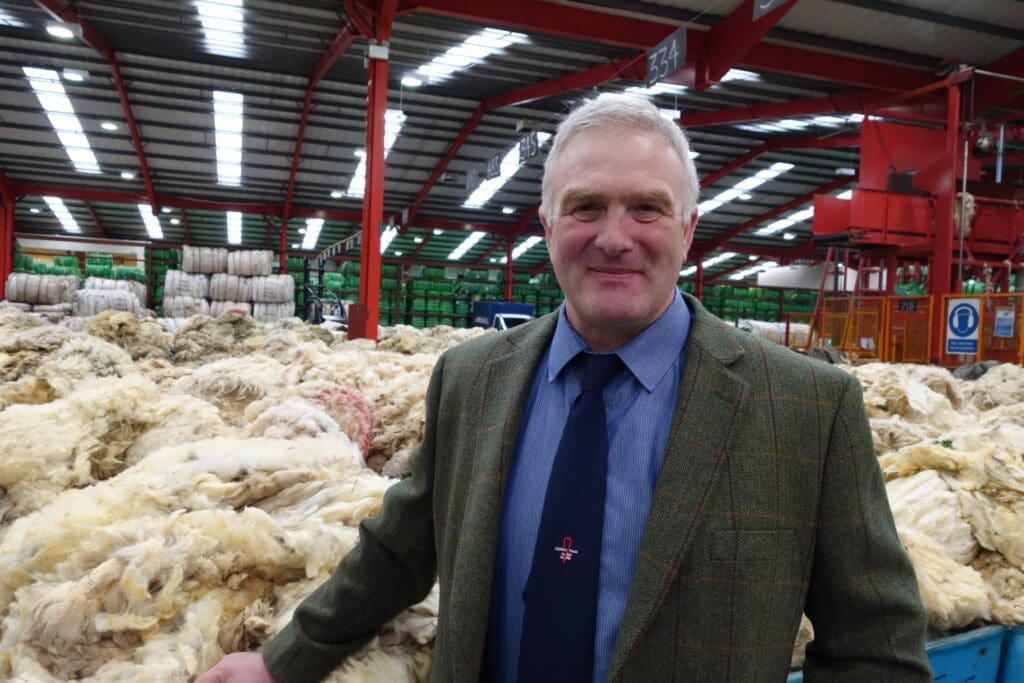
Early Years – First Steps in Wool
As a child, Jim Robertson regularly travelled with his grandfather to British Wool grading depots.
At the time, wool was extremely valuable and nothing went to waste. Even the smallest fibres were collected. His job was to gather the little pieces of wool left behind after shearing – and even pick wool caught on fences and wire.
At the end of the season, he would bring a bag of these scraps – known as “pooks” – to the depot and receive payment.
“Every scrap counted back then. That was my first real connection with British Wool.”
As he grew older, Jim’s father taught him the traditional skill of hand shearing before he progressed to machine shearing. He later completed British Wool shearing courses and began shearing not only his own flock but also carrying out contract shearing for other farms.
His dedication to the craft even took him into competitions. A major highlight was winning the Silver Hand piece at the Royal Highland Show, one of the most respected shearing awards.
At one stage he was even asked if he would consider becoming a shearing instructor.
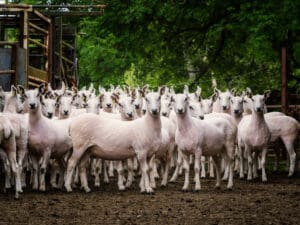
Cheviots on Jim’s Farm
Joining the Board
Jim’s route into British Wool leadership came almost by chance. An advert appeared for a position on the board, and a neighbour encouraged him to apply.
“He said it would be good to have a Cheviot man on the board.” He applied – and was elected.
Nine years later, he remains part of the organisation’s leadership. After four years serving as a director, he stepped into the role of Chairman.
“It’s been an incredible journey, and I’m proud of how far we’ve come. British Wool is in a very strong place today.”
As Chairman, Jim Robertson guides the organisation and ensures strong collaboration between the board and executive team. He describes the role as acting as a bridge between the two, ensuring ideas, decisions and communication flow effectively.
“I don’t think I ever truly switch off,” he says. “The role certainly keeps the mind active.”
He believes the organisation’s strength lies in the people behind it. From directors to depot teams, British Wool brings together individuals committed to championing British wool and supporting farmers.
Championing British Wool
British wool stands apart from fibres produced elsewhere in the world. Britain produces an extraordinary diversity of fibres from different sheep breeds.
According to the Chairman, this uniqueness comes not only from the fibre itself, but also from the systems behind it.
Combined with the expertise within British Wool’s depots – from grading and sorting to testing and marketing – this diversity allows the fibre to reach a wide range of global markets.
“Until you’ve stood inside a depot and seen the process, you don’t fully appreciate the skill that goes into it.”
Challenges Facing the Industry
Like many parts of agriculture, the wool sector faces ongoing change.
One of the most significant challenges is the decline in sheep numbers, influenced by factors such as land-use changes, retirement within the farming community, and fewer new entrants. However, this trend is not limited to the UK.
“Sheep numbers are falling globally,” Jim explains. Despite this, he remains optimistic about the future of British wool and the opportunities ahead.
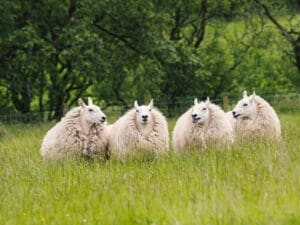
Cheviots on Jim’s farm
Connecting Farmers and the Public
British Wool recently celebrated its 75th anniversary, marking the milestone with depot open days across the country. The events allowed farmers and members of the public to see first-hand how wool is graded, handled and prepared for sale.
“They were a fantastic achievement,” Jim says. “It really showcased the journey of our fibre and the skill behind it.”
Looking ahead, the organisation is focused on continuing to support farmers and ensuring wool remains a valuable part of British agriculture.
Encouraging farmers – particularly the next generation – to bring their wool to British Wool remains a key priority. By collecting and marketing wool collectively, the organisation can help secure stronger returns for producers.
“By bringing their wool to us, we can market it on their behalf and help secure the best possible return.”
The Most Rewarding Part of being Chairman
For Jim, the greatest reward of being Chairman is simple : the people.
From the board and head office team to colleagues working across the depot network, he believes British Wool is driven by individuals who genuinely care about what they do.
“Working alongside such committed, like-minded individuals is incredibly rewarding.”
Quick Fire
Proudest moment
Being elected Chairman.
Most rewarding part of the role
Working with the people across British Wool.
British Wool in three words
Professional. Loyal. Resilient.