Here’s why we built it.
Between us, we’ve spent a long time circling the same problem from different directions.
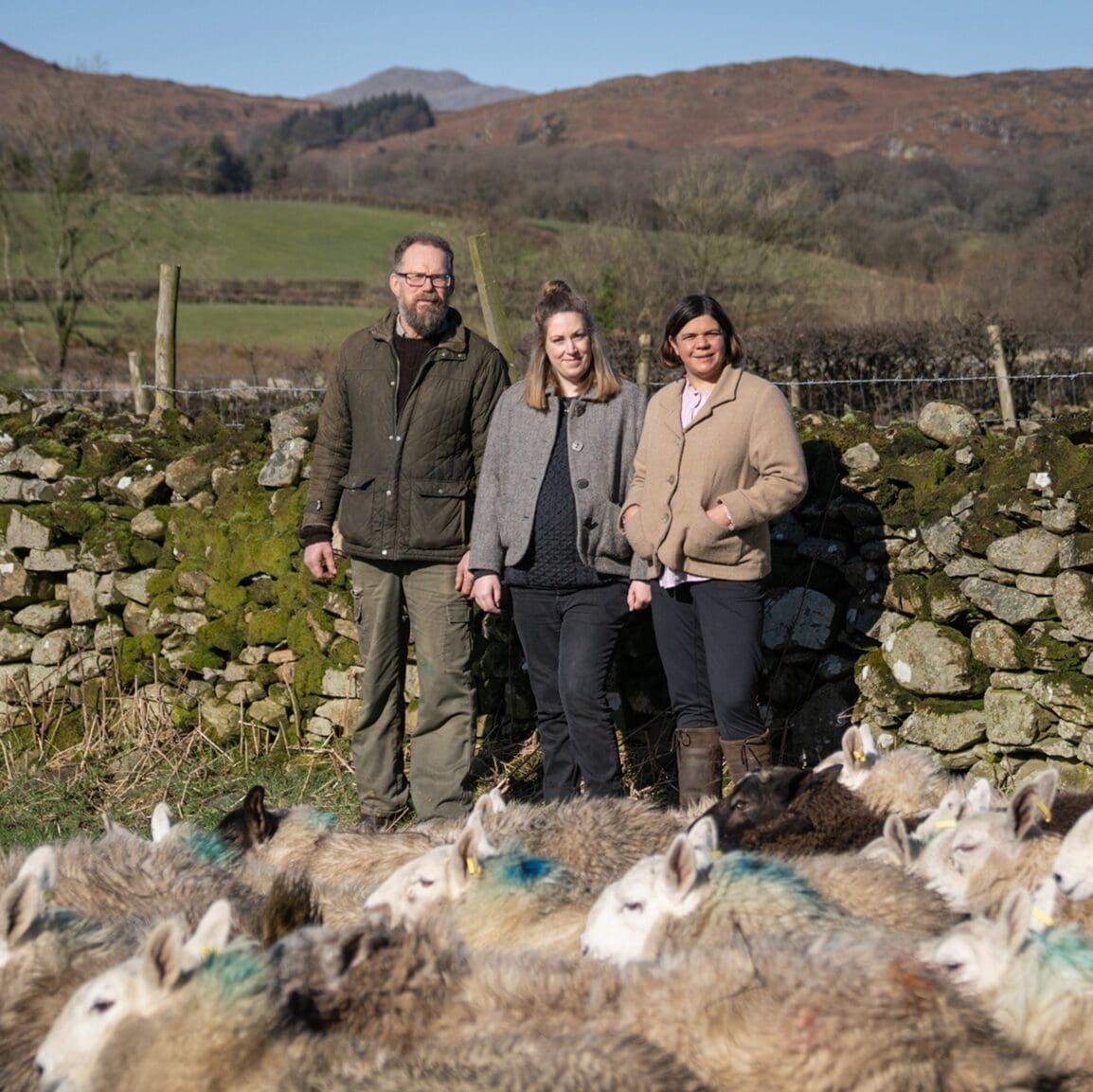
John has farmed land in the Lake District his whole life and watched the value of wool fall so far that it barely covers the cost of shearing. Zoe left the London fashion industry. After years of typing design specs without ever touching the materials they described. Moved back North, and completed a PhD asking why the remarkable diversity of British sheep breeds so rarely reaches the people buying the finished product. Maria came to farming a decade ago and, wanting to make sure nothing was wasted. Started asking why it took two full-time jobs just to keep a farm going – and then started building small-scale supply chains to try to change that.
We founded The Wool Library together, which led to some brilliant projects connecting farmers and designers. And the more we worked in this space, the more we could see the people sitting just outside it. Small-scale farmers working with quantities too low for commercial processing routes, makers looking for traceable British fibre, farmers with extraordinary wool and no straightforward way to sell it. Good people, doing careful work, largely invisible to each other.
Farmer’s Yarn is for them.
It’s a membership network for farmers, makers, and retailers working with small-scale British wool. Broadly, that means under 500kg per lot, below the threshold where conventional commercial routes become viable. At its centre is the Farmer’s Yarn Promise: a set of shared principles covering animal welfare, land stewardship, fair pricing, and honest storytelling. Not a certification mark. Not a label. A relationship, and the accountability that comes with it.
We’re launching slowly now, growing the network carefully and by invitation as we build the foundations properly. Members get an online directory listing, access to talks and learning sessions, and a regular informal space to connect with others working in the same world. Because one of the things that drove us here is how isolated this work can feel. And how much knowledge sits with individual farmers, makers, and designers that never gets shared.
We believe British wool is undervalued. We believe the farmers producing it deserve better. And we believe the people buying it – makers, retailers, customers – want to know the real story behind what they’re working with.
If that sounds like you, we’d love to hear from you.
We’re three people who arrived at wool from very different directions but ended up in the same place. Realising that people working with British fibre in small quantities needed support, not just to process and showcase their wool, but to feel part of a wider community.
Zoe is a wool researcher, knitwear designer and educator. Who works to deepen understanding of breed characteristics and the cultural value of wool through writing, teaching and design collaboration. Maria farms in the Lake District with John and has spent years developing small-scale wool supply chains through projects. Including Shear Delight and Lake District Tweed. John has farmed his whole life, spent 25 years with the National Trust, and is currently Chair of the Rare Breeds Survival Trust. He knows farmers up and down the country and wants to see farmers central to the wool story.
Between us we cover the field, the fleece, and the design ideas. And we love the people working in this space, from farmers to home knitters, designers and wool lovers.
Both really – though the routes couldn’t be more different.
John’s family have been farming just outside of Ulverston for over 600 years. So the land and the sheep run deep in his blood. Maria has a background in art and came to the farm about ten years ago. They make sure they’re using all their resources wisely. It started asking questions about why John was holding down two full-time jobs just to keep things going. That curiosity led her to build a number of small-scale supply chains. Using on-farm resources to create products that could return more value to the farm.
Zoe grew up in inner-city Salford and Bolton, worked in the London fashion industry. And eventually got fed up typing design specs without ever touching the materials themselves. She moved back North, completed a practice-based PhD on British sheep breed characteristics for knitwear. And became fascinated by why those remarkable, diverse qualities weren’t being championed.
The three of us came together to found The Wool Library, which led to brilliant projects connecting designers and farmers. And Farmer’s Yarn grew out of that, as a way to bring together the people who inspire us most but who currently work slightly outside the traditional manufacturing system at a smaller scale.
Because it’s tragic that such a huge part of British heritage is undervalued, and the farmers producing it deserve better.
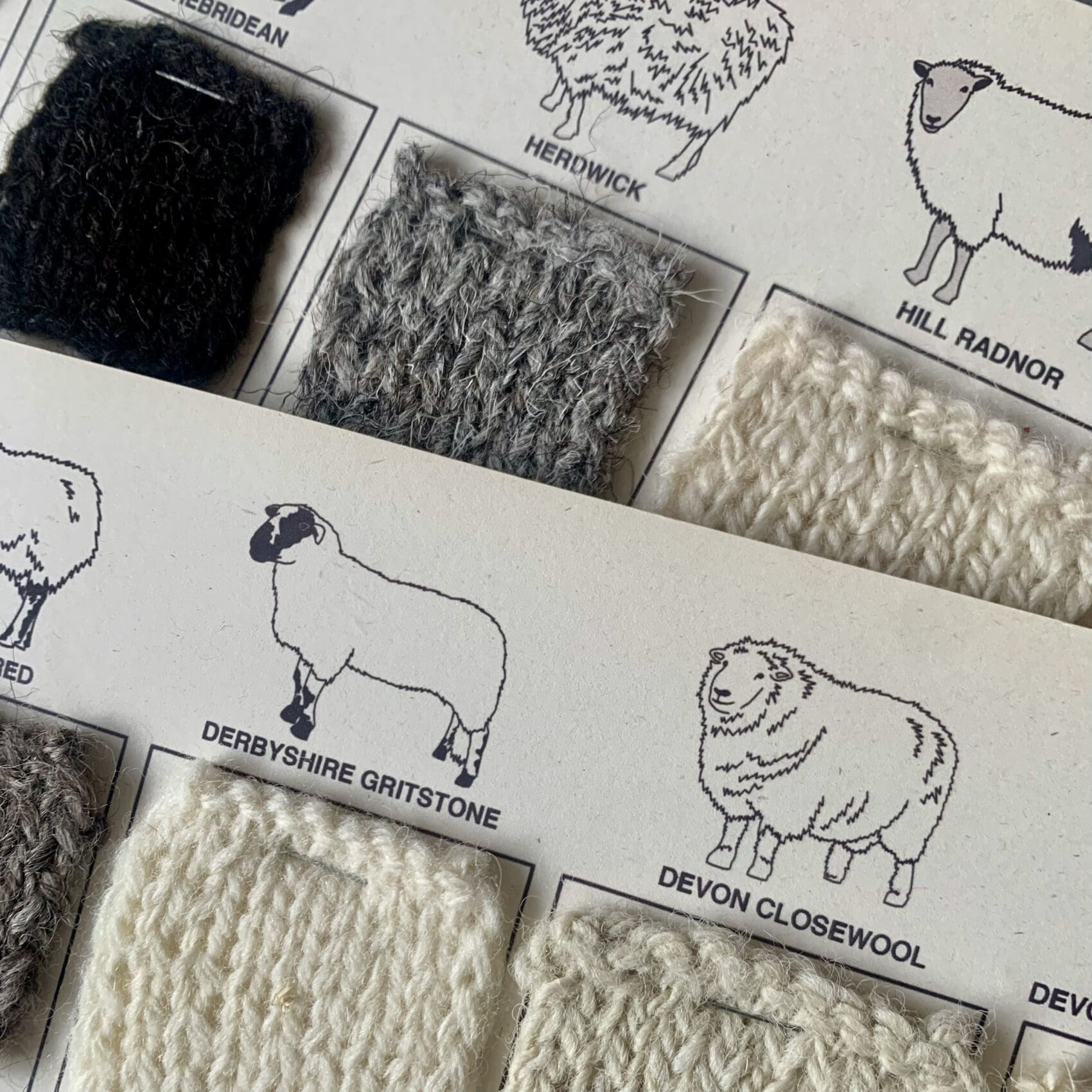
British wool is extraordinarily diverse, different breeds produce fibre suited to everything from hard-wearing outerwear to delicate knitting yarns. But that story rarely reaches the people buying the finished product.
Farmer’s Yarn exists to shorten the distance between fleece and finished product, and to make sure more of the value stays at the farm gate, where it belongs.
Most certification schemes simply weren’t designed with small-scale producers in mind. The auditing costs alone can make them completely unviable at this scale. So farmers either get shut out of the market, or they jump through expensive hoops that don’t actually return anything meaningful to them.
What we wanted to create was something that achieves the same goal – accountability and trust. But through direct relationships and shared responsibility rather than paperwork and labels.
Infrastructure isn’t the only gap. Running a small fibre business can be quite lonely. And there’s so much knowledge sitting with individual makers, farmers and designers that never gets shared. Farmer’s Yarn gives members a directory listing, access to talks and learning sessions, and regular informal online gatherings. Where people can ask questions, share experiences, and genuinely help each other grow.
At the heart of Farmer’s Yarn is what we call the Farmer’s Yarn Promise. A set of principles every member commits to, covering animal welfare, land stewardship, fair pricing, and honest storytelling.
It’s not a label or a logo; it’s a relationship.
When a maker buys yarn through our network, they know who farmed the sheep, how the land is managed, and that a fair price was paid along the way. That’s the kind of traceability that actually means something. Something more meaningful than a certification mark alone. It’s about conversations, relationships, trust and mutual respect.
Farmer’s Yarn is designed primarily for small-scale producers working with British wool outside conventional commercial manufacturing systems. In practical terms, farmers, makers and fibre businesses processing under 500kg per lot, below the minimum scale typically required for commercial scouring and processing routes.
Businesses, retailers and makers who want to source traceable British wool and build more direct relationships with producers are also very welcome. You can become a supporter of Farmer’s Yarn. The network works because everyone in it from farmers, to makers and buyers are committed to the same principles.