Brand Spotlight: Thermafleece and Wool Insulation
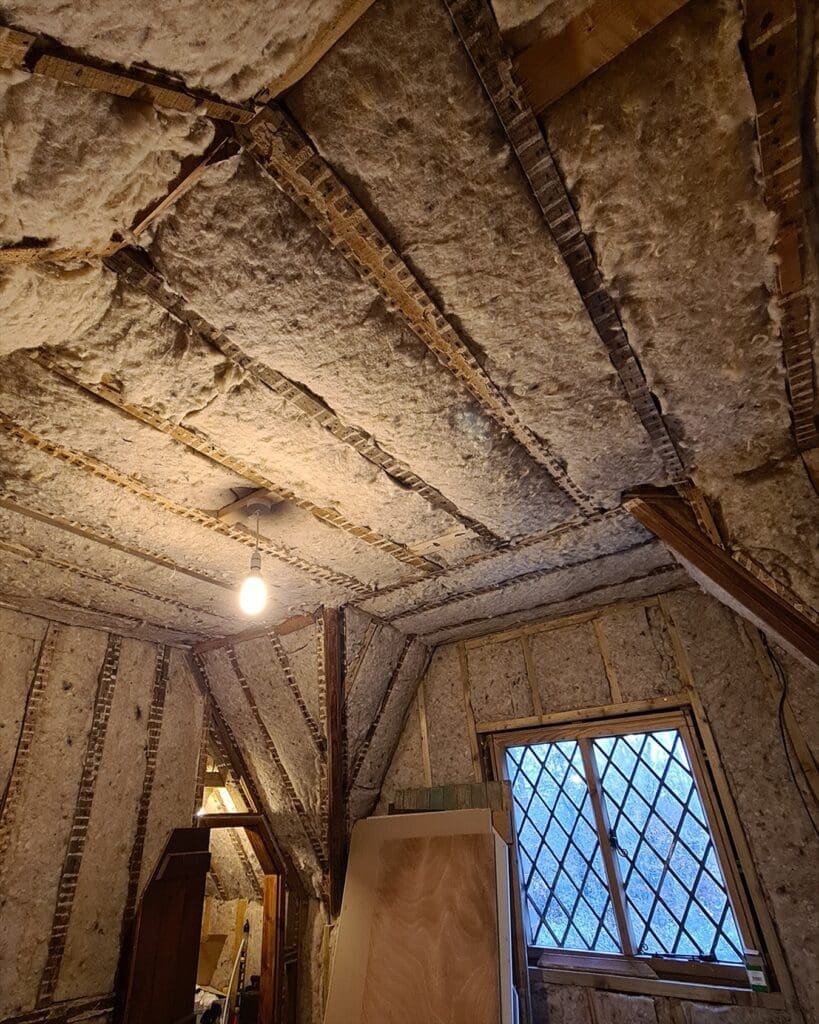
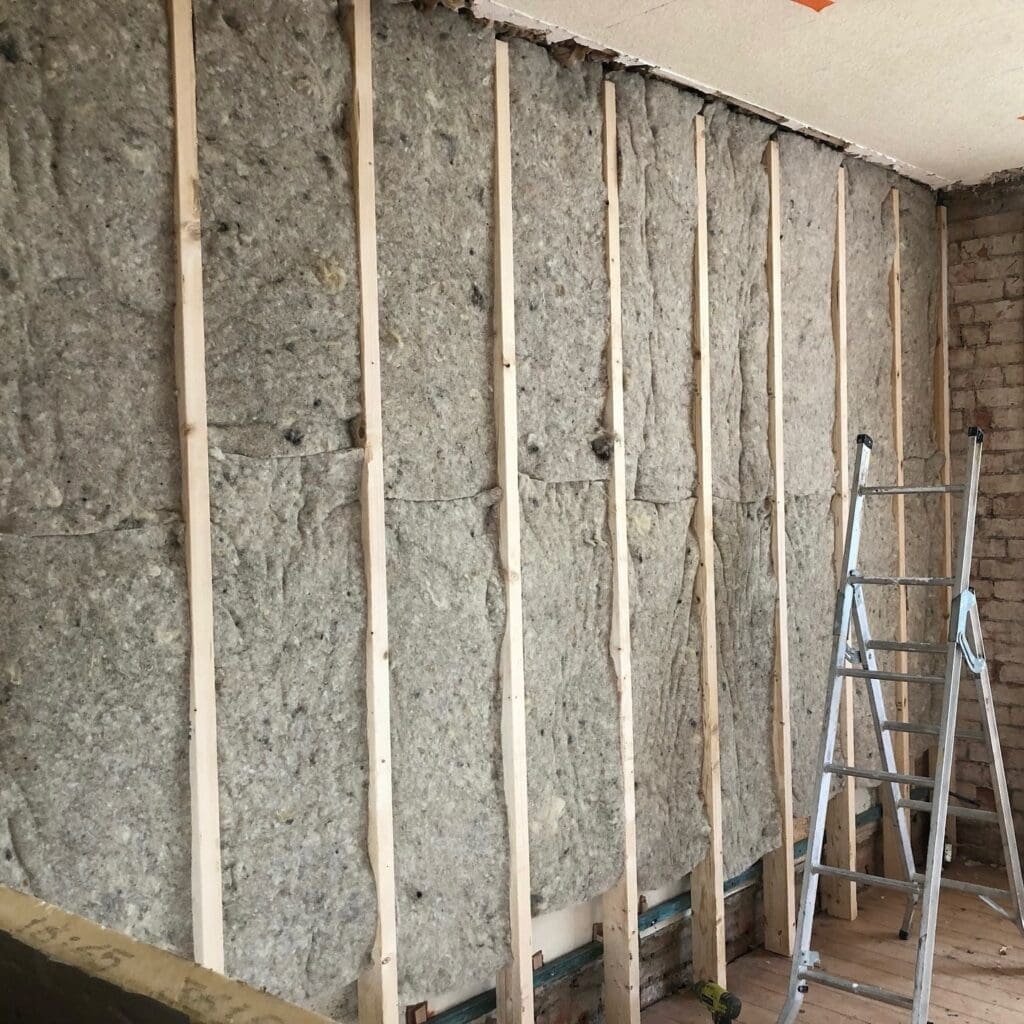
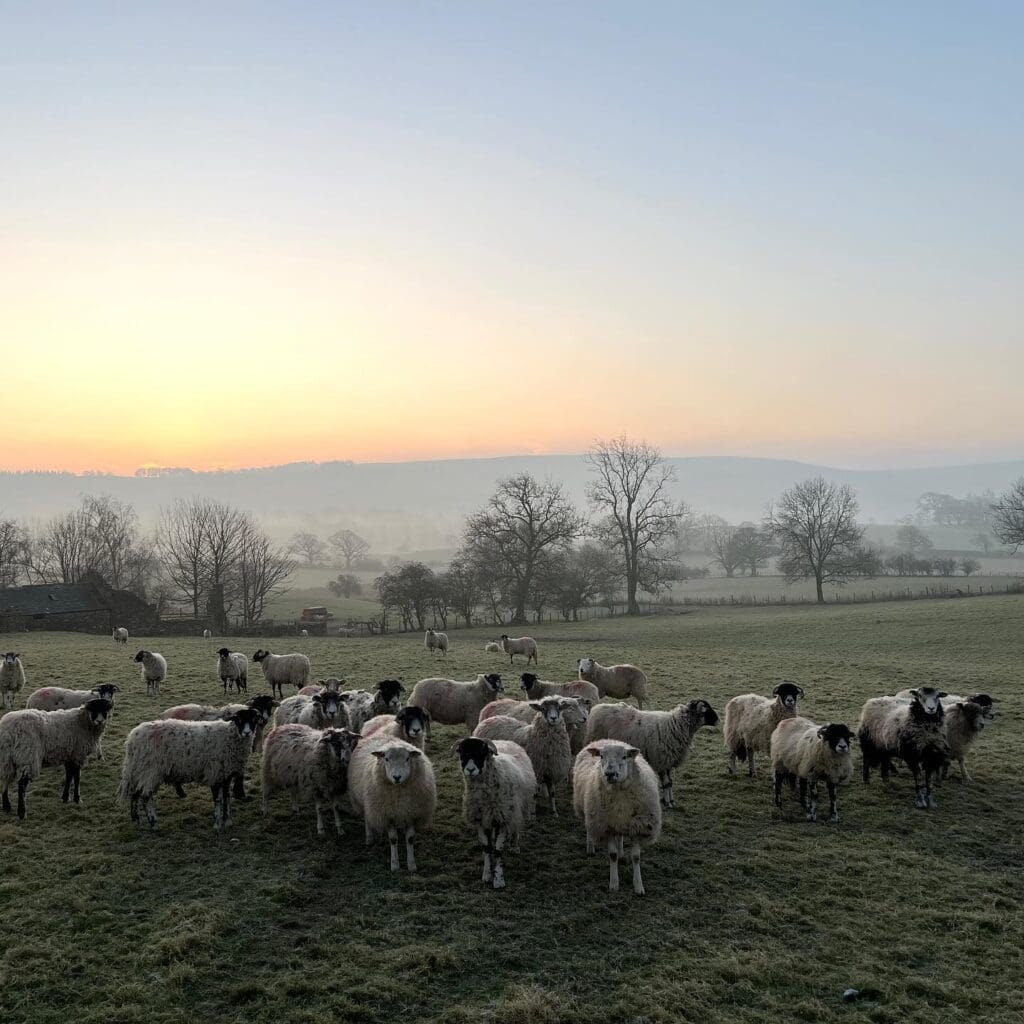
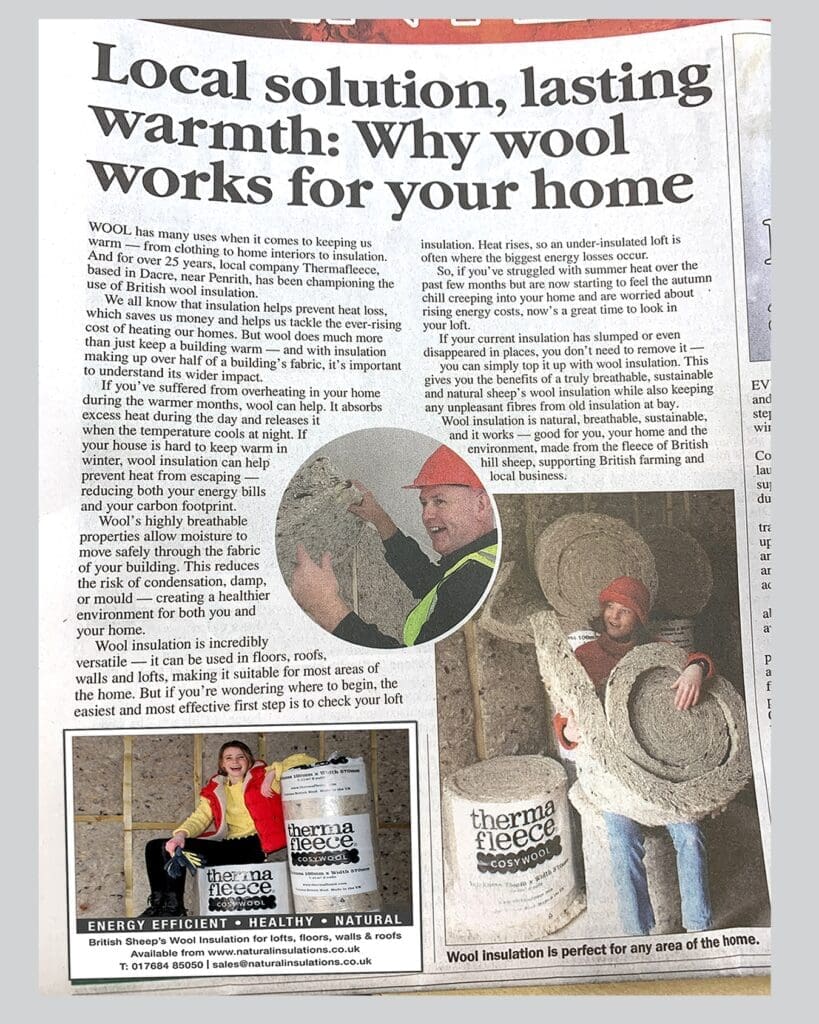
At the heart of the Lake District, amid rolling hills and flocks of sheep, Eden Renewable Innovations Ltd. (ERI) has been creating sustainable products for over two decades. Their flagship brand, Thermafleece, has become a leader in the UK’s natural fibre insulation market, offering an eco-friendly alternative to conventional insulation.
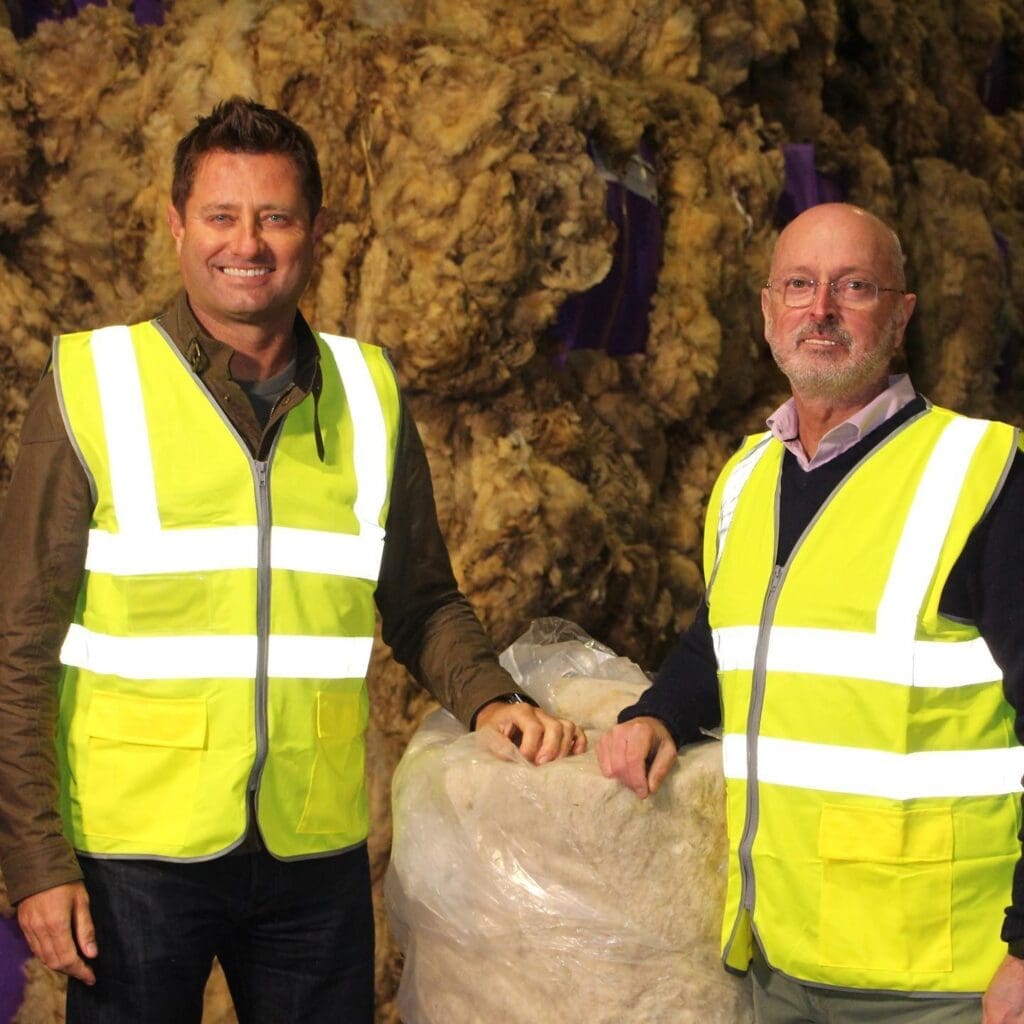
Mark Lynn, Managing Director, explains,
“Inspired by the sheep in rural Cumbria, we create products that use natural, renewable resources to benefit people and the planet.”
Why British Wool Matters
Thermafleece products are built on the qualities of British wool, particularly that sourced from hill sheep.
“The wool we use comes from British Hill sheep; this coarser, coloured wool is ideal for insulation but not suitable for carpets or clothing. The crimp and elasticity of these fibres trap the air effectively, enhancing the thermal performance of the insulation,” says Mark.
Using local wool also supports the environment and the economy. “Using British wool reduces transportation distances, lowering the carbon footprint of the insulation whilst supporting local farmers and the UK wool industry,” Mark adds. “It’s a practical, ethical and environmentally friendly choice that suits both the needs of insulation and our own sustainability ethos.”
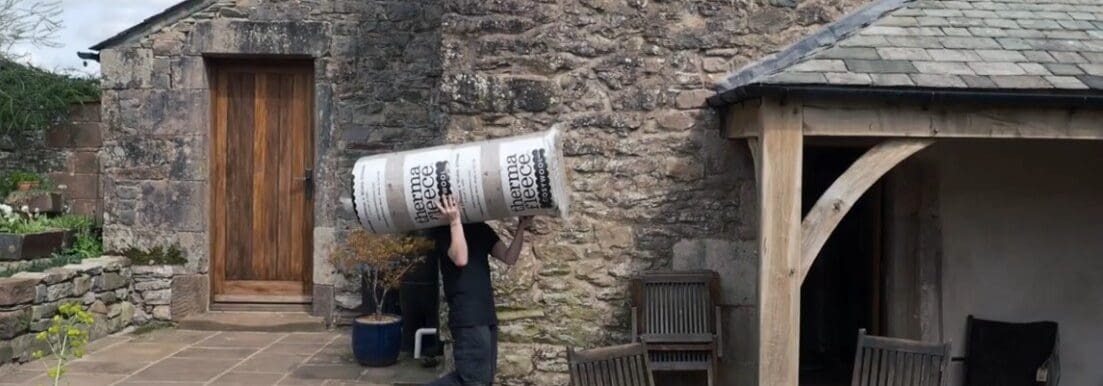
Watch to learn more:
Partnering with UK Farmers
Strong relationships throughout the supplier chain including farmers are central to Thermafleece’s approach.
“Over the past 25 years, we have built strong relationships with wool suppliers and producers across the UK. Today, we continue to manufacture Thermafleece in Britain, reinforcing our commitment to local production and sustainability,” says Mark.
Close collaboration with farmers ensures both quality and integrity. “Farming is something we care deeply about, we farm over 3,000 sheep ourselves, so we understand first-hand the standards, challenges, and dedication involved. By sourcing our wool from British Wool’s auctions, we help to strengthen the local supply chain, promote high welfare and quality standards, and play a part in securing the future of the industry,” Mark explains.
Wool: A Natural Choice for Sustainability
Beyond performance, British wool carries a strong sustainability story. “British wool contributes to a more responsible and environmentally aware society by being a natural, renewable, and locally sourced material. Using wool in insulation reduces energy consumption, improves indoor air quality, and supports the long-term health of buildings and occupants,” Mark notes.
For customers, choosing wool is not simply a purchase decision, but a commitment to something bigger.
“We tell our customers that choosing wool is more than just about buying a product – it is about supporting local industry, community, the environment and the British supply chain. Wool is 100% natural and renewable, planet friendly, temperature regulating and breathable, making it a healthy choice for buildings, their occupants and the environment,” Mark adds.
With pressures on British farming increasing, every choice matters. “By choosing wool and wool-based products, customers are making a positive lifestyle choice that supports British farming, rural livelihoods and a more sustainable future,” he concludes.
Case Studies
Here’s a selection of projects using Thermafleece insulation, highlighting environmental impact and performance benefits.
We are pleased to announce two new board members. With Rosie Keenan from the Scottish Northern region and Richard Spencer from the English Central region taking up their positions on 1st April 2025.
Rosie Keenan
Rosie is crofting alongside her partner, Henry. They have a flock of Cheviot ewes and Belted Galloway cows.
Rosie has extensive knowledge and experience, and in 2023 she became the World Wool Handling Champion. An achievement that reflects both her skills and dedication to the craft. Rosie previously worked with British Wool as a field officer and depot worker, and more recently as a Brand Ambassador.
Rosie said:
“I look forward to taking up the role of Board Member at British Wool and believe my previous experiences working with British Wool as a field officer and depot worker have enabled me to gain invaluable insight into the wool intake, grading, and auction systems. More recently, I was proud to be a Brand Ambassador to promote wool and its place in sustainable agriculture. I believe in a collaborative approach to ensure that every farmer can maximise the potential of their wool and enhance their profitability.”

Richard Spencer
The new board member for the English Central region. Richard Spencer, is a fourth-generation farmer who farms in Derbyshire, just south of the Pennines. Richard runs a commercial flock of Lleyn, Meatlinc, Charolais, and Abermax. And has been an active member of his farming community for many years, including serving on the local parish council and the NFU.
Richard studied agriculture at university and has twice been a national winner of the National Forage Competition. Among Richard’s many achievements as an advocate of wool and sheep. He was also a founding member working with a group of volunteers to organise the Sheep Fairs in Ashbourne and Uttoxeter.
Richard said:
“I’m delighted to be given this opportunity to represent sheep farmers in the English Central region. I am a huge advocate of wool and look forward to promoting and supporting British Wool to drive towards returning profitability to the primary wool producer.”

Heiniger has launched the Xcell, a new battery powered clipper. Suitable for sheep and other large animals. The high-performance battery offers 60 minutes of run time. Whilst being light enough to fit into an ergonomic hand piece. Heiniger’s Hefin Rowlands says:
“The Xcell is a dual speed clipper that can be supplied with two batteries to help even the most demanding users to clip all day. The high-speed unit is capable of running at 2,500/2,800 double strokes a minute whilst remaining quiet with very low vibration levels,”
A new patent pending direct drive makes the Xcell well suited to shearing sheep and camelids or clipping cows, adds Mr Rowlands.
“It is a truly unique design that can be fitted with different combs and cutter combinations to make it suitable for a variety of applications. Unlike some battery powered clippers it is light, at just 1,334 grams, making it well suited to those operating for long periods of time,”
The Xcell features an easy-to-handle, soft touch grip with anti-slip coating which will make it well suited to those operating in challenging conditions for long periods. The battery can be recharged in 60 minutes to enable continuous running time with two batteries, concludes Mr Rowlands.
“Like all Heiniger clippers, the Xcell has been manufactured to be best in class. The combs are forged in our Swiss factory out of the strongest steel and the handpieces are built to last for years of demanding use. Our UK distributors are excited to have a new Heiniger product that we see as leading the way in battery operated clipping,”
The Xcell is available in the UK from spring 2025 from a nationwide network of supportive distributors that offer product support and information.




British Wool on the Catwalk
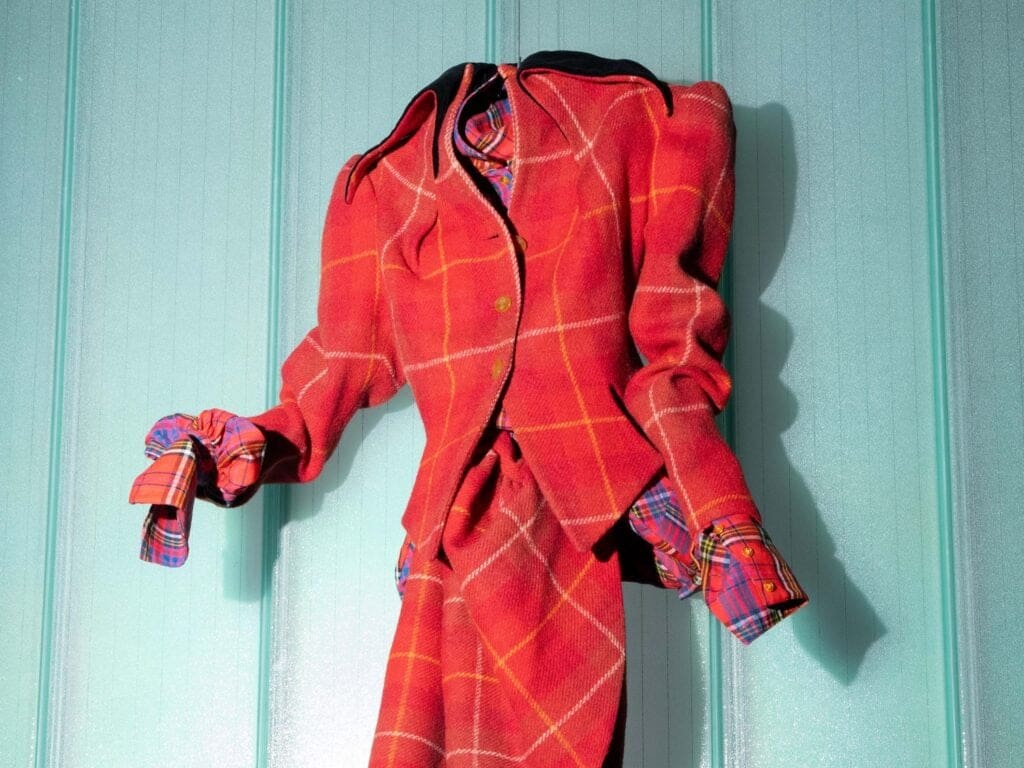
British wool is gaining renewed visibility on international catwalks. Where designers are reinterpreting this traditional natural fibre through a contemporary lens and introducing it to new global audiences.
Once associated primarily with heritage knitwear and rural craft. British wool is now being showcased in directional collections that emphasise innovation, traceability and responsible sourcing. Its presence at major fashion weeks is not only elevating its status within luxury and ready-to-wear markets, but also challenging outdated perceptions about performance, versatility and handle.
As a result, British wool is opening doors to new commercial partnerships, export markets and design-led collaborations worldwide.
Haldi Kranich-Wood, Business Development Manager at British Wool, comments:
“We have spent the past 2-3 years targeting the fashion sector through attending European shows and presenting our new sourcing guides. These sourcing guides show all our partners certified British wool cloth and yarn ranges that are currently available to brands, and it is the first time they have been brought together to be shown as one complete collection, to make it easy to source genuine British wool with traceability back to our farms.
This has allowed us to have conversations with many brands who have never previously considered local wool in their collections. Part of this was the perception that British wool could only be used in carpets and was too coarse for this sector. The sourcing guides have really helped dispel this myth.”
Brands like Marc Jacobs, Viviene Westwood, Zenga and Dior have all shown British wool on the catwalk over recent months which is important as Haldi explains
“This high-end fashion helps shape more mainstream (volume) fashion so it’s important that we are shown in this arena.”
This activity has also seen several new yarn and cloth collections being launched across Europe and brands embracing this in their ranges which is helping grow the overall demand for British wool.
Haldi, concludes:
“It has been amazing to see brands being really engaged with our sourcing guides and asking questions about British wool as a fibre, some for the first time. They are also increasingly asking about farming standards; this activity gives us the ideal platform to communicate and educate about the high standards farmers in the UK work to and explain why some global standards are either not relevant or indeed impractical in the UK.”
Gather your wool our depots will be open and ready to accept your wool starting in May 2025. We have a comprehensive network of depots nationwide, with over 110 collection centres points across the UK and even more on the way. This makes it easy for you to send your wool to us.
Free Haulage
To make wool delivery easy and convenient for you we have introduced free haulage collection if you and your neighbours can get 100 fully packed wool sheets together. All you need to do is call us and we will arrange the collection.
Once Delivered
After your wool is delivered, it is graded at one of our depots. Individual clips are combined to form commercially graded lots, which are then sold at auction. This process ensures a consistent supply of large quantities of wool that have a uniform type and quality, catering to the needs of the international textile industry.
Here are some important points to keep in mind when sending your wool to us:
- Pack your wool sheet to its full capacity. This will help reduce your transportation costs.
- Consider collaborating with your neighbours to combine your transport efforts. This can also lower your transportation expenses.
- Send your wool to us as soon as it is shorn. Delaying delivery may expose the wool to damp conditions or damage, which can decrease its value.
All wool must be delivered using our provided wool sheets. These sheets will be distributed by your local depot before the new wool season. If you require wool sheets, please contact your local depot directly.
To improve our depot operations, please ensure that wool sheets are evenly filled and properly packed. When correctly packed, wool sheets should weigh around 80 kg of wool, although this may vary depending on the type of wool.
Wool Sheet Labels
All wool must be clearly labelled. All wool sheets should be clearly labelled with the following.
- Member’s name
- Address
- Registration number – this is a unique seven-digit to each member
Each wool sheet should have one label attached outside and another placed inside the sheet.
If you are using a haulier, please make sure to fill out the provided paperwork completely.
If your wool is not identifiable it is much more challenging for us to ensure that you are paid correctly.
QR Code
Last year, we introduced a QR code system at our collection centres. By using the camera on your smartphone to scan the QR code, you will be directed to a form. This form allows you to inform us that you have dropped off your wool, enabling us to release your payment.




Melin Tregwynt Launches 100% Welsh Wool Collection
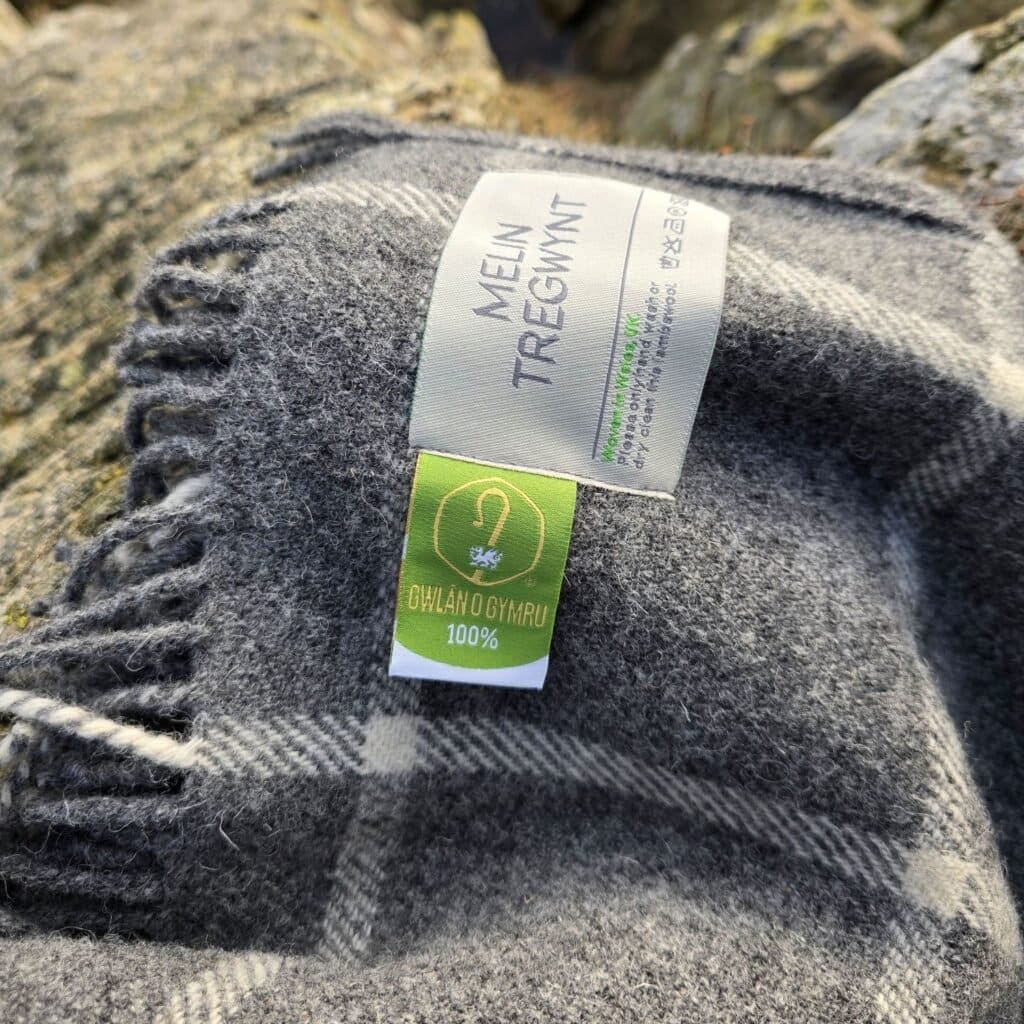
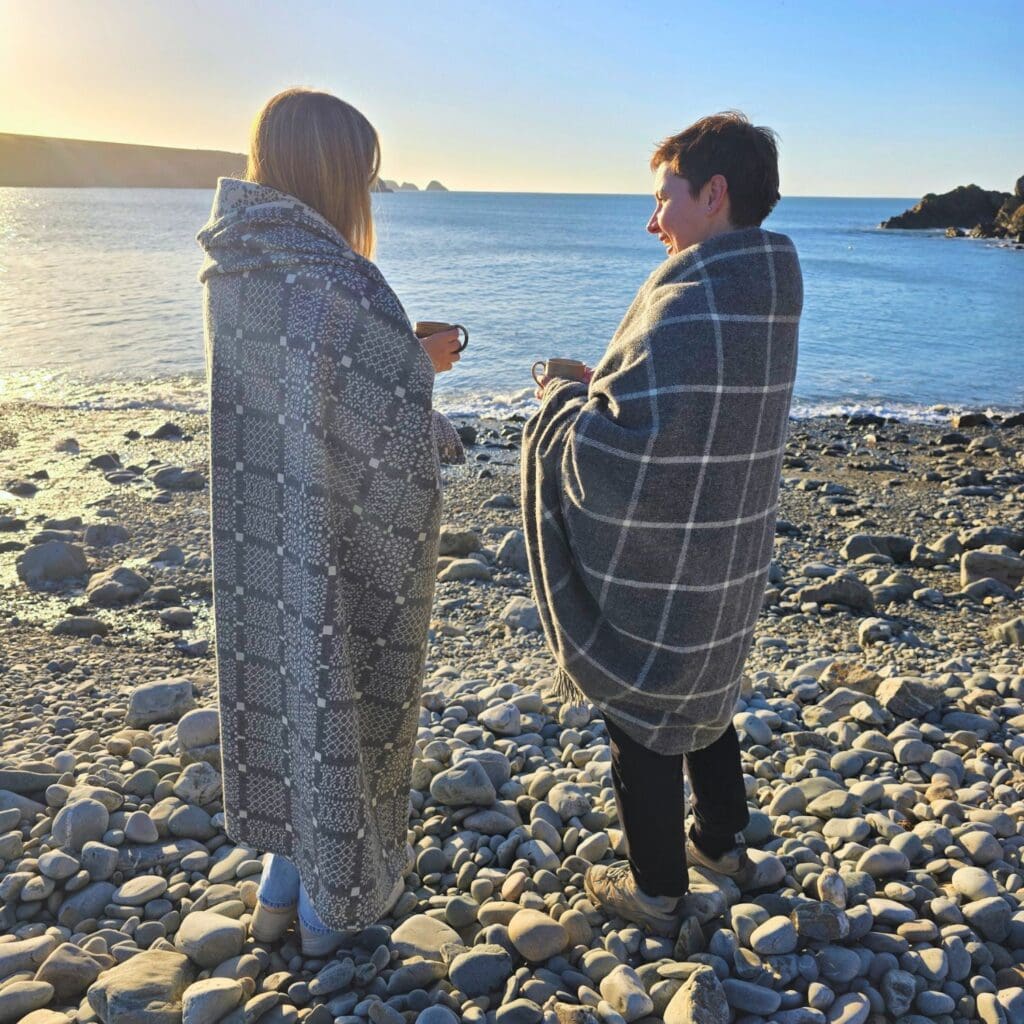
Melin Tregwynt, a working mill in Permbrokeshire, providing Welsh blankets, throws, cushion, fabrics and much more. They have launched a limited-edition collection made from 100% Welsh wool. Marking a significant milestone in the revival of Wales’ historic wool industry.
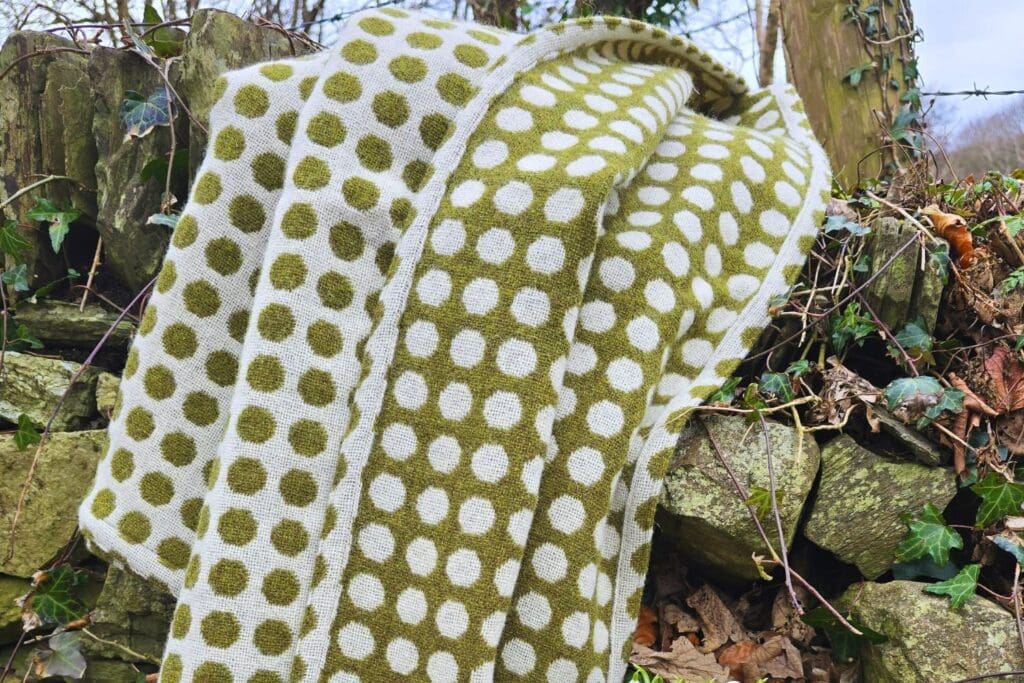
The collection features double cloth throws, fringed blankets and cushions and each product is available in three iconic Melin Tregwynt patterns in coordinating colourways.
The launch of the products follows the success of the Gwnaed  Gwlan/Made With Wool project and the unveiling of a Welsh Wool logo, all of which holds the collective aim of rebuilding a commercial supply chain for Welsh-grown wool.
Sophia Watts, Head of Textiles Design & Sustainability Coordinator at Melin Tregwynt, said:
“The Welsh woollen industry and weaving in Wales is the root of our rural business and so we are honoured to have been a part of this project. Creating a route to commercially source Welsh-grown wool helps to revitalise this industry and protect the rural economy. As an EOT, being able to support and sustain rural skills, communities, and jobs through this supply chain is important for our business.”
Graham Clark, Director of Marketing at British Wool, said:
“It’s great to see this exciting new collection, exclusively using Welsh wool, come to market. Melin Tregwynt is the first business to embrace the Welsh wool yarn developed by the Gwnaed  Gwlan/Made With Wool project.
“This commitment not only supports our local farmers but also underpins the long-term sustainability of our local wool industry. We hope this initiative inspires more local businesses to use Welsh wool in their products and in turn increase returns to local farmers for their wool.”
With limited availability click to get yours or find out more here
The Woman Inspiring a New Generation of Farmers
Farming in the UK has seen an increase in female shearers entering the industry. As a result more women take part in shearing competitions.
In particular as the agricultural show season kicking off from May. One woman, Susie Parish, an award-winning shearer and British Wool Ambassador based in Hampshire. Continues to inspire women across the UK to become shearers.
Susie’s expertise in shearing began at the age of 16. Prior to this, she worked with sheep from age 10 on her family’s smallholding. Then, when a local shearer failed to turn up one day, she took matters into her own hands and instantly found her calling.
Since that time, she has competed in shearing and wool-handling competitions across the UK. As a result, winning the prestigious Ladies Competition at the Royal Welsh Show multiple times and is set to compete at the Royal Highland Show in 2025. Currently, Susie judges junior shearing competitions, therefore ensuring the next generation of shearers are given the opportunity to develop their skills. Susie, said:
“Over the past five years, I’ve seen a remarkable increase in female shearers entering the industry, particularly women and girls competing in shearing and wool handling competitions, encouragingly who are incredibly young and already so talented.
“It’s so important that woman represent their skills at these shows not only to inspire the next generation, but furthermore to preserve a traditional skill. For example it was a privilege to discover Marie Prebble, previous sheep-shearing World Record holder, pursued a shearing career after seeing me compete at a show.”
Susie’s drive to become a successful shearer and farmer stems from her passion of British wool. She said:
“Like so many people, I am passionate about British wool and it’s so important to shift outdated perceptions, particularly among older generations who remember wool as itchy.”
“Wool is one of the most sustainable materials we have; it’s breathable, biodegradable, and versatile. I want to ensure people understand just how valuable it is in fashion, interiors, home insulation, and so much more.”
Outside the competitions, Susie has used her platform to educate the public on the value of wool and the realities of sheep farming, having appeared on Alan Titchmarsh’s Love Your Weekend, Countryfile, and notably even sheared a sheep live on The Jeremy Vine Show. Susie, said:
“What’s more the 2025 show season starts in just a few months’ time and I’m really looking forward to seeing a whole new wave of women visit for the first time, participate in competitions and feel inspired by the wealth of talent we have across the UK. I’d always encourage, whether from a farming background or not, people take the time to visit their nearest agricultural show and see first-hand the passion and determination from our farmers.”

NSA Events for 2025
NSA Sheep Events Across the UK
From the very South of England to the Scottish Highlands and Northern Ireland. All corners of the UK will play host to NSA Sheep Events this year. Providing sheep farmers across the nations with a great opportunity to enjoy a sheep focussed day out.
This year will see the return of five popular NSA events. Kicking off with NSA Welsh Sheep on Wednesday 21st May, followed by NSA North Sheep on Wednesday 4th June, NSA Highland Sheep (Taking place for the first time since 2019!) on Wednesday 11th June, NSA Sheep South West on Wednesday 25th June, and finally NSA Sheep Northern Ireland on Tuesday 1st July.
NSA Sheep Events are highly regarded for passing on the latest industry information attracting leading industry names. As well as being a great opportunity to get together and socialise. NSA members receive discounts on entry to NSA shows. Where they will find attractions of seminars, workshops, demonstrations, exhibitors of all different varieties, including sheep focussed trade stands, and competitions. Along with a peak behind the scenes during the ever popular farm tours.
Ram Sales and Membership Benefits
Continuing a busy 2025, in the second half of the year. NSA will act as the facilitator for the sale of more than 7000 collective head of sheep that are offered at NSA Ram Sales. The well-respected multi-breed sales offer rams that have all been individually inspected for health and quality before entering the sale ring. There are six sales throughout the year. Including the NSA Wales & Border Main Ram Sale in September, one of the biggest sales in Europe. Only NSA members can sell at NSA Ram Sales, a further benefit of NSA membership.
For more information on NSA membership, the work of NSA as the voice of the UK sheep sector, and details on the events and ram sales above please visit www.nationalsheep.org.uk.

Lambing Season with Susie Parish
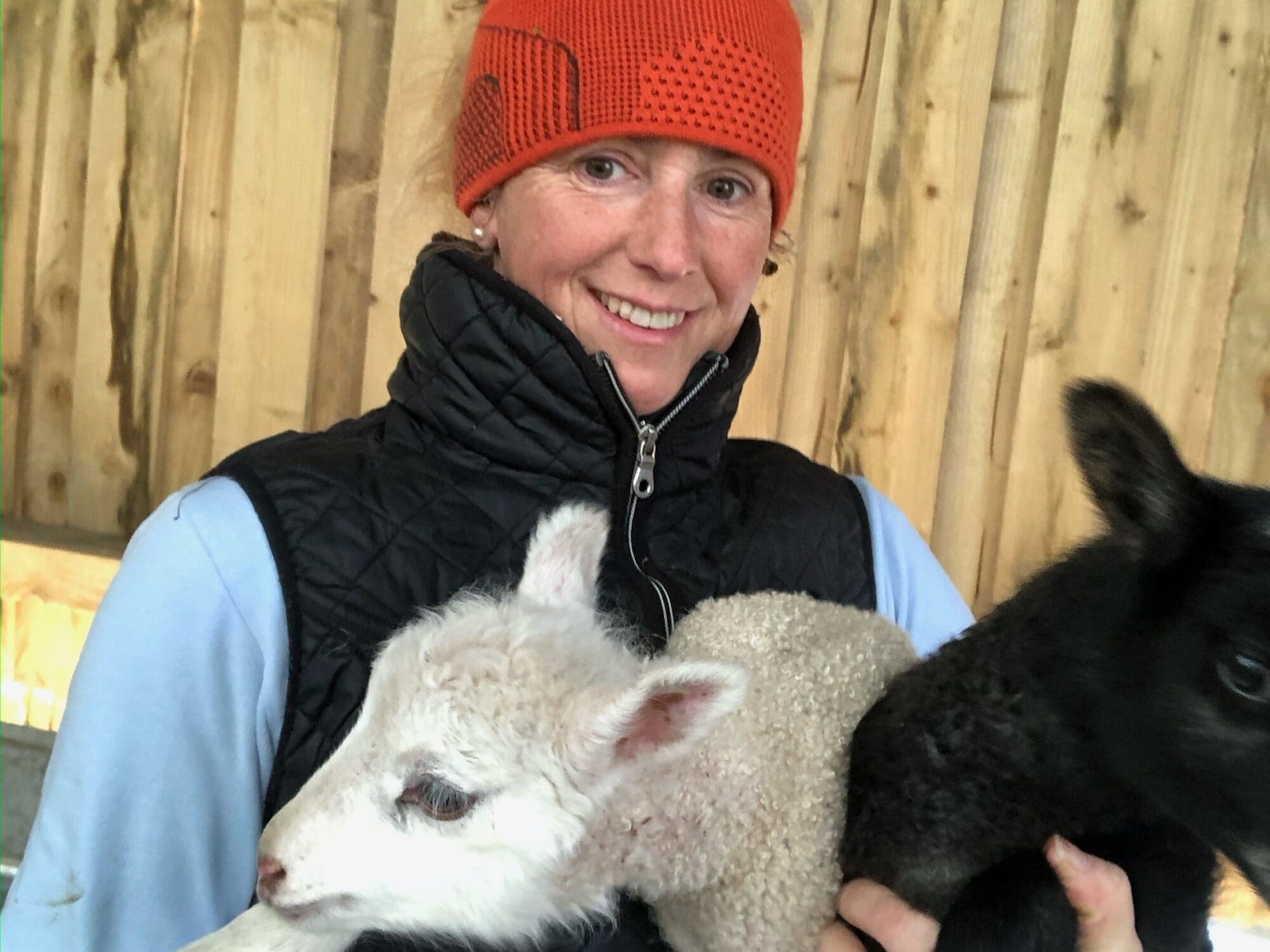
Lambing season is always an exciting time on our farm. As a low-input, fibre-focused operation, our approach is relaxed and natural, allowing our ewes to lamb with minimal intervention. Our flock is made up of three breeds, the Gotland sheep, known for their long, grey, lustrous, and curly fleece, originating from the Isle of Gotland in Sweden. Our own Stein sheep, a crossbreed we have developed to produce a fleece with an exceptionally high softness factor alongside its lustre, and a small flock of Shetlands for our conservation grazing.
Our lambing season kicks off in April with the first group, followed on by the other groups through May and into mid-June. By staggering our lambing period, we ensure that we can manage the process smoothly, with plenty of time to monitor the flock while still maintaining a low-stress environment. The ewes lamb outside, which aligns with our low-input philosophy. They only get hay and general-purpose molasses tubs, without the need for additional concentrates.
Easy Lambing and Maternal Instincts
One of the advantages of our breeds is their easy lambing. Gotlands and our Stein sheep are light, narrow-framed ewes, making birthing relatively straightforward. They rarely require assistance, and their strong maternal instincts mean that they take excellent care of their lambs. My role is primarily to keep an eye on the flock, ensuring all is going well and catching up lambs to ring the ram lambs when needed. Tail docking is seldom necessary, as Gotlands naturally have short tails, and our crossbreds also inherit reasonably short tails.
Since we farm for fibre rather than meat production, there is no urgency for the lambs to grow quickly. Our breeding strategy reflects this, as we typically lamb for replacements and maintain a significant number of wethers in the flock. To ensure our ewes remain in optimal condition, we rotate their lambing years, giving them a break between lambing cycles.
Challenges and Rewards of Lambing
While our own lambing season is generally laid-back, I do miss the hands-on aspect of more intensive lambing systems. Meaning I’m always eager to help friends nearby with any challenging births, no matter the time of day or night! There’s nothing quite like the satisfaction of successfully delivering a lamb in a tricky situation.
The biggest challenge we face is the weather. Our flock is shorn in January or February, meaning that by lambing time, the ewes have short wool. In particularly wet years, if they are in fields without shelter, I sometimes need to bring a few back in to protect them from the elements. However, for the most part, lambing remains an enjoyable and rewarding time of year.
With the arrival of new lambs, we look forward to another year of producing high-quality fibre. Here’s to another smooth and successful lambing season!
Meet Our Shearing Admin Instructors
We’re thrilled to announce that our 2025 shearing courses went live on 3rd February 2025, and we can’t wait for you to secure your spot!
Our admin instructors liaise with farmers to secure new venues, coordinate with shearing instructors in their area, and feed information back to the shearing team at head office. Ensuring courses run smoothly and effectively.
We met with them to learn more about their background and the shearing process.
Andy Barratt – Southern England
“I am an agricultural fencing contractor and shearer. I began my career in the year 2000, which is now a quarter of a century ago! I take great pleasure in witnessing the progress of my trainees as they advance through the levels and achieve their goals, regardless of what they may be. Some trainees even go on to represent their country and set records! It is incredibly rewarding to know that I have played a part in their success.
I encourage everyone to attend as many shearing courses as possible and to focus on mastering the basics, particularly footwork. When the sheep is positioned correctly, the shearing action will follow naturally, and speed will develop with perseverance.
British Wool’s shearing and wool handling courses are an excellent way to learn vital skills and can open numerous opportunities within the industry. With the new advanced seals now recognised by Highfield, these qualifications are acknowledged across various sectors globally.
Competitions provide an excellent platform to showcase quality shearing, while records serve to raise public awareness, highlighting the skills of shearers and inspiring the next generation to pursue careers in shearing and wool handling.”


Hywel Wigley Jones – Wales
“I own a hill farm in North Wales, specialising solely in sheep. I began shearing at the age of 14, working alongside a local contractor and instructor for several years before establishing my own operation. I also spent a few seasons shearing in New Zealand, which provided me with invaluable experience.
I have been involved in shearing training for over 25 years, and it is immensely satisfying to witness trainees develop their shearing skills over the two-day course. Through this training, I have had the pleasure of meeting many people.
If you wish to learn how to shear, I recommend enrolling in a British Wool shearing course and attempting to secure a position with a local contractor. Shear, shear, and shear some more, and then consider joining another British Wool shearing course, where instructors will assist you in advancing your shearing abilities.
Wool handling courses are also crucial and are becoming increasingly popular. All these initiatives contribute to ensuring that our shearers and wool handlers are well-prepared when competing on a global scale.”
Kieran Mc Cullough – Northern Scotland
“I live and work on a mixed sheep and beef farm on the west coast of Scotland. I shear sheep for local farmers in my area. For the past seven years, I have been involved in British Wool shearing training.
I take great pleasure in meeting trainees, both old and new, and watching them develop their skills. For those keen to learn, I advise them to attend courses and then put their knowledge into practice.
The courses offered by British Woll are the cornerstone of the industry in which we aspire to be involved. Our shearers and wool handlers are a testament to their own abilities and to what we can produce in the Northern Hemisphere.”
