Newly Elected Board Member for British Wool’s Scottish Region
Rosie Keenan from Strathnaver, Sutherland has been elected as British Wool’s Scottish Northern Regional Board Member for a three-year term, beginning on 1 April.
Rosie runs a flock of Cheviot ewes and Belted Galloway Cows with her partner at their Croft and is the current Wool Handling World Champion. Rosie’s goal is to support and strengthen the relationship between British Wool and its Farmer Members and educate the importance of wool as an environmentally friendly fibre.
On notification of the election results, Rosie said:
“I am delighted to be elected to represent the Scottish Northern members and thank everyone who voted for their support. As a passionate advocate for the wool industry, I look forward to using my knowledge and experience to provide sheep farmers with a strong voice and representation on the Board of British Wool.”

Re-elected Board Member for British Wool’s Welsh Southern Region
John Davies, who farms in Ceredigion has been re-elected as British Wool’s Welsh Southern Regional Board Member for a further three-year term, beginning on 1st April.
Representing the Welsh Southern region since 2019, John farms a flock of Welsh Mountain (Tregaron type) and Welsh Cross Aberfield ewes in partnership with his wife Aubrey and son Bleddyn. The flock is run on a forage-based system selling lambs as finished and stores.
On notification of the election result, John said
“I feel privileged and delighted to have been re-elected back on the Board to represent the Welsh Southern region for a further three years. We must work together to increase wool’s usage, and I look forward to continuing to represent the best interests of sheep farmers across South Wales”

Wool Price Enjoys Further Increase
Strong demand from buyers at recent British Wool sales has seen average prices received at auction increase by nearly 25%.
Against increasing prices for many in the sheep and beef sectors, wool has also enjoyed a more buoyant trade.
We typically offers between 1,000 and 1,500 tonnes in each of its 18 online auctions held throughout the year. Sales are made to wool merchants which supply processors and manufacturers both here in the UK and internationally.
Jim Robertson, Chairman of British Wool, says:
“Demand for British wool from the very first auction of the season in early July has been strong. We have seen full clearances in most of the 10 auctions held so far in the 2024/25 season. Approximately 57% of 2024’s wool has now been sold with some core types seeing more than 60% sold.”
“We hope improved prices will encourage those farmers with wool still on the farm to send this in – we appreciate prices are not at the level we’d like them to be, but the market and prices are improving which is encouraging to see.”
We work with a wide range of manufacturers and retailers to encourage more use of British wool and to create demand on behalf of its members. Recent marketing initiatives have included a partnership with Shaun the Sheep to support retailers in the carpet sector.
Jim says:
“As a collective marketing organisation, everything British Wool does is about adding value to members’ wool. The demand we work hard to create from manufacturers and retailers flows back to the auction buyers, increasing the competitiveness in the auction and making British wool less of a traded commodity.
We are committed to collecting wool and providing a service to all UK sheep farmers to drive sustainable demand for British wool to maximise returns for our members. Unlike other wool buyers, British Wool is representing the best interests of members and wants to see wool prices increasing.
To maximise the returns for all sheep farmers, we need members to return their fleeces to us in 2025. If you still have wool on-farm, contact us to arrange delivery or collection, as there is still demand.”
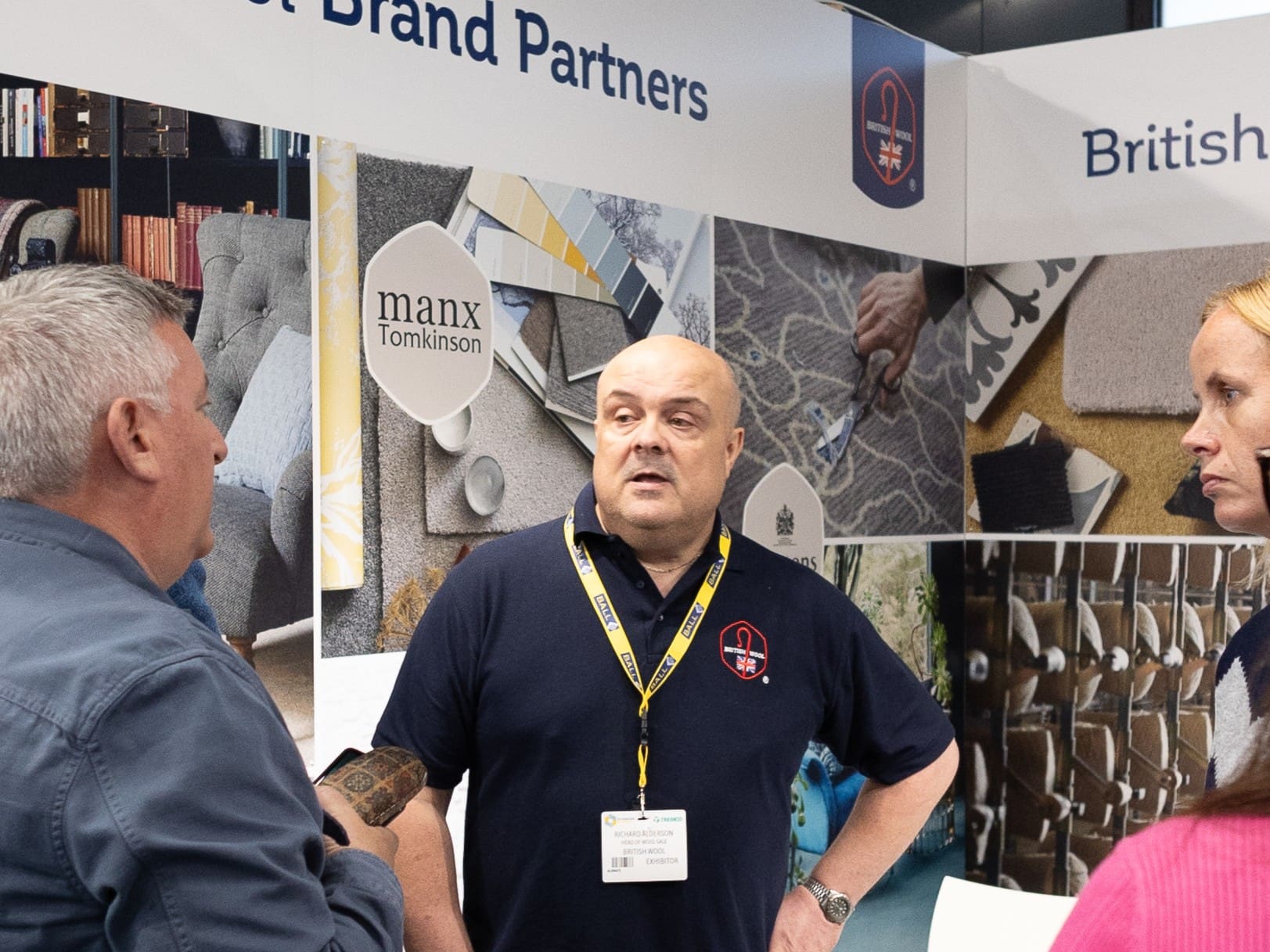
Meet Richard Alderson – Head of Wool Sales
What does your role as Head of Wool Sales entail?
My main role at British Wool is the link between our depots, where the wool is received and graded through to our auction buyers. I work closely with our quality control team to ensure the wool is graded to the high standard expected by the buyers as this is essential to maximise the price achieved. I have regular discussions with both our UK and overseas buyers to ensure the wool they buy meets expected standards and that the flow of wool through our auctions is meeting any demand they may see.
A lot of work goes into preparing the auction from building it through to pricing ready for auction day itself – along with my colleague Jen, we would run the auction. I also work with any potential new buyers explaining our grades and advising which types would fit their specific requirements.
How long have you been at British Wool and worked in the wool industry?
I joined British Wool in 2018 but have worked in the wool industry for 40 years. I spent the first 30 years of my wool journey working for wool merchants and over those years I bought millions of kilos at the very same auctions I now run. I also spent the best part of 18 months working at a scouring plant overseeing production and quality.
How is the current market in terms of prices and demand?
Demand for British wool from the very 1st auction of the season in early July has been fantastic, we have seen virtually full clearances in all 10 auctions held so far in the 2024/25 season. The average price achieved at auction this season has increased by nearly 25%. The nearest comparable market to the UK is New Zealand which historically used to sell at a premium over British but in more recent seasons the price of UK wool has tracked New Zealand wool and vice versa.
We are seeing the highest prices at auction since 2018, why is this?
The simplistic answer would be demand meeting and outstripping supply, and whilst this is the major factor, it’s how demand has increased that has made the difference. British Wool has worked tirelessly with many manufacturers and retailers to encourage them to either increase the amount of British wool they use in the case of manufacturers and for retail to insist that the products they sell are made from or include British wool. This demand then flows back to the auction buyers increasing the competitiveness in the auction and making British wool less of a traded commodity as buyers are committed to using British wool and can’t substitute for cheaper options.
There has also been a shift albeit slow from consumers trying to move away from fast fashion made from planet-damaging man-made fibres onto more sustainable environmentally friendly woollen goods.
I must add that like most of the world, sheep numbers in the UK have fallen, meaning less wool is available and this cannot be ignored as a factor.
How important is the auction system in maximizing the price of wool for our members?
Since the creation of the British Wool Marketing Board in 1950 the wool has always been sold at auction, and this is still the best vehicle for maximising the price of the wool. The auctions have moved from being originally open cry to becoming electronic in the late 90’s and since 2020 and the outbreak of Covid they have been held online. By holding the sale online this takes away the need for the buyers to attend the sale in person at our Head Office in Bradford. It gives them the freedom to log on from, in principle anywhere in the world on a PC, tablet, or even mobile phone. Since going online our registered buyers have attended the auctions remotely which has helped the auctions become much more competitive.
Are there any exciting projects that you’re working on at the moment?
We have projects running all the time and far too many to list, a large number are in the traditional applications where wool has always been used such as carpets, home furnishing and knitwear but we don’t dismiss any ideas put to us no matter how far off the wall they may seem. Wool, particularly British wool is a very versatile fibre and shouldn’t be pigeon-holed into a limited number of applications. My biggest and constantly ongoing project is to increase participants in our auctions which will only help maximise returns to our members.
Educating Consumers on the Wonders of Wool
Increasing consumer awareness is a key part of our marketing strategy. This is all designed to increase front-end demand for British wool rich products and increase the price of our members wool; a key tool to achieving this is PR.
During the past 12 months, we have seen a significant increase in consumer press coverage, with 160 pieces secured across national and regional media.
Graham Clark, Marketing Director, said:
“Over the past three years, British Wool has focused on two main areas: Increasing the number of brands using British wool in their products (through the licensing scheme) and increasing brand awareness amongst consumers.
PR plays a crucial part in this as it allows us to target a wide audience through our activity. During this time, we have secured coverage across many different national publications such as The Guardian, The Telegraph and The Financial Times, as well as great regional press coverage. This is key as we strive to drive more consumer demand for British wool rich products.”
Working with influencers is also key as Graham, added:
“Working with influencers can boost consumer awareness dramatically and we have been very fortunate to work with three great influencers over the past 12 months; Shaun the Sheep, Patrick Grant (Great British Sewing Bee) and the comedian Joe Lycett.”
Examples of the coverage gained on the back of these partnerships include:
- Over 350,000 views of the first Shaun the Sheep social media collaboration.
- Radio interview with Patrick Grant played 952 times with 120,000 views across social media.
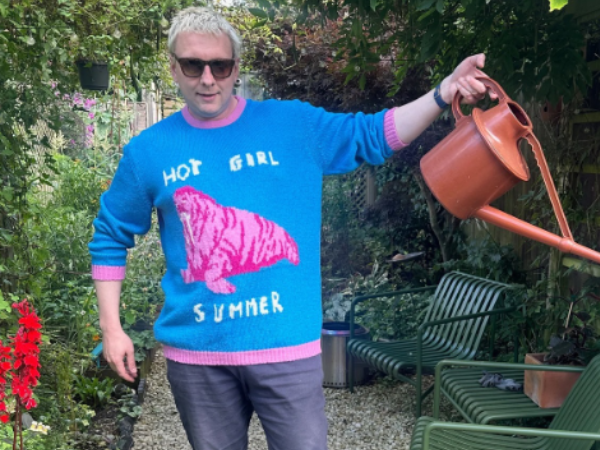
- 36,000 likes on a post by Joe Lycett about a jumper he had made from British wool.
Graham said:
“We don’t just target the consumer through PR, we also use social media (over 110k consumer followers across our channels), exhibitions and events, working with our licensee partners and the British Wool online shop, where sales have increased by 20% during the past 12 months.
It is great to see the amount of coverage secured over the past 12 months through our PR activity and digital channels. This is helping us push the British Wool brand to new audiences who are increasingly looking for more sustainable options when making purchasing decisions.”

Meet Emma Jagger – Shearing Supervisor
Emma Jagger is the Shearing Supervisor and has been with British Wool since January 2019. Along with our Shearing Manager, Richard Schofield, and a small team of Area Admin Instructors, we organise and promote our Shearing Courses.
Tell is more about your role.
This role is logistics-heavy and requires coordination with farms across the UK to provide sheep for shearing, suitable spaces to hold courses, our talented shearing instructors, and a fleet of shearing trailers and machines. These elements ensure the best opportunities for hands-on training.
What are your key responsibilities?
My key responsibilities is managing our booking website, including uploading new courses and monitoring participant numbers. I also provide trainees with detailed information on what to expect during a shearing course and issue certificates upon completion.
Tell us a bit about your experience in shearing.
Recognising the importance of understanding the trainee experience, and not being from a farming background I attended a shearing course. This firsthand experience assisted me in addressing trainee questions and concerns effectively. I am proud to have achieved my Blue Seal with the guidance and patience of my instructors, Roger and Stuart.
If you are interested in attending one of our courses in 2025, they will now be available to book via our website, Book Online.
What other areas do you cover in your role?
Part of my role is attending agricultural shows, where I meet individuals who have benefitted from our training. Hearing about their achievements – from competing and travelling abroad to breaking British and World Records – is truly inspirational.
Tell me a bit about yourself.
Outside of work, I enjoy travelling in my self-built campervan, often to destinations near water where I can (albeit wobbly) paddleboard, or theme parks as I am a massive rollercoaster enthusiast. I love crafting and experimenting with new creative pursuits. My current obsessions include working with polymer clay and using my Cricut machine. Above all, I love spending time with my son and husband.
Shearing Courses go LIVE in February
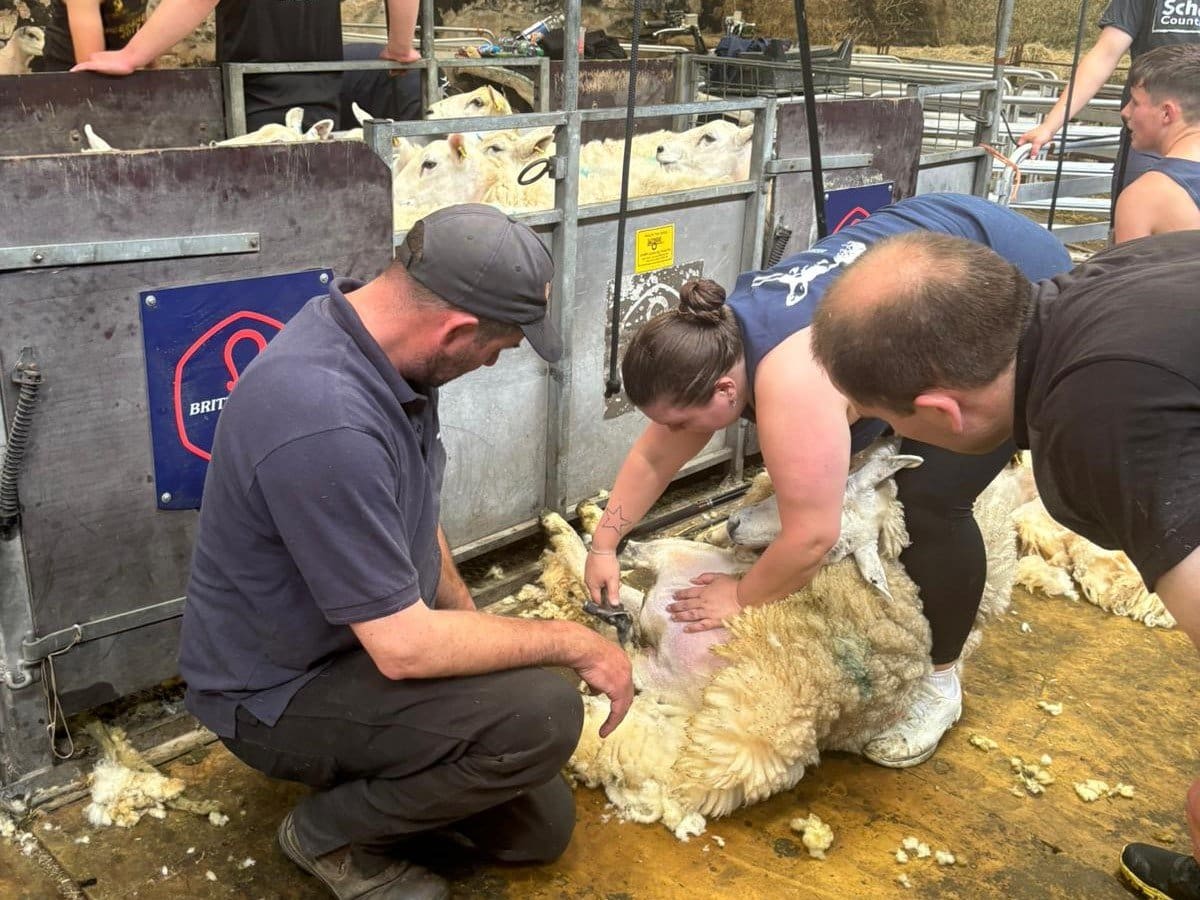
Our shearing team will publishing its list of shearing courses for the 2025 season on the 3rd of February. Our experienced team of instructors will run over 100 courses between April and August this year, offering tuition in machine and blade shearing, and wool handling.
British Wool shearing courses are designed to develop good technique and shearing practice from the outset. Courses cover key topics relating to shearing such as health and safety, the shearing environment, equipment, shearing technique, and care for your wool.
Courses generally last two days, are held on farm and have a high instructor-to-student ratio to ensure you get the best advice. Content is tailored by ability; Beginners can learn the basic technique and work towards a Blue Seal, Intermediate courses will help you improve your technique to either Bronze or Silver Seal standard, and Advanced courses will help those who already have some experience to refine their technique and support the skills required for competitive shearing at the highest level.
British Wool courses are recognised worldwide and our higher-level qualifications are accredited by Highfield Training which helps facilitate your shearing career by being recognised internationally as a professional qualification.
If you wish to find out more or discuss whether you would be suitable to attend an advanced course please contact British Wool’s shearing team by emailing [email protected].
Last year more than 850 people attended one of British Wool’s training courses, to book on a course in 2025 please visit our website from the 3rd of February onwards.
Book online
Alternatively, for more information call
Emma Jagger – 01274 688666
Richard Schofield – 07966 291618
Or email [email protected]
Additional courses will also be publicised on the British Wool Farm Facebook and Instagram page.
Meet Our Shearing Instructor – Andy Barratt
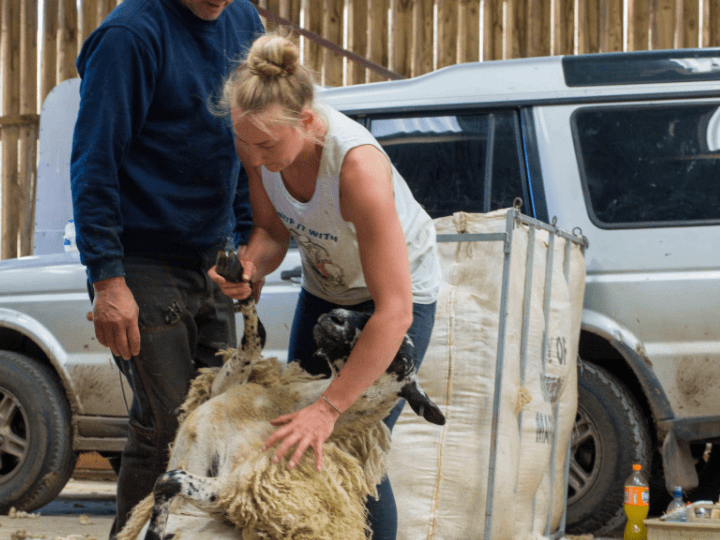
We have over 90 shearing instructors who collectively have over 100 plus years of experience. We spent some time getting to know Andy Barratt from Sailsbury one of our instructors in England.
Details of your farm/shearing/business?
I am an agricultural fencing contractor and shearer.
How long have you been involved in British Wool training?
I started in the year 2000, so a quarter of a decade!
What do you enjoy about your role instructing for British Wool?
I enjoy seeing the trainees progress through the levels and accomplish their goals no matter what they are. Some trainees even go on to represent their country and break records! That’s a great feeling to know you’ve helped them.

What would be your advice to those wanting to learn to shear be?
Go on as many shearing courses as you can and get the basics right especially footwork. If the sheep is in the right position the blow will just happen, speed will come with perseverance.
How important are the shearing and wool handling courses British Wool offers?
British Wool’s shearing and wool handling courses are a fantastic way to learn essential skills and will open opportunities in the field. With the advanced seals now, Highfield accredited they are recognised across all industries worldwide.
We’ve seen in recent years that the UK is leading the way on the competitive shearing stage and records. How important are these in raising awareness and in supporting our shearers?
Competitions are a great way of showing quality shearing and Records are a great way to raise public awareness, showcasing shearers skills and inspiring the next generation into shearing and wool handling.
Board Member Elections
Following our call for nominations for Members of the Board in the Scottish Northern, Welsh Southern, and English South Western Regions, an election will be held in two regions.
Alan Derryman, English South Western region Board Member has been returned unopposed. The names of the candidates nominated for the election taking place in the Scottish Northern and Welsh Southern regions are as follows:
Scottish Northern Region:
MACKINTOSH, ELEANOR
Tombreckachie Farm, Glenlivet, Ballindallich, Banffshire, AB37 9BX
KEENAN, ROSIE
11 Strathnaver, Kinbrace, Sutherland, KW11 6UA
Welsh Southern Region:
DAVIES, JOHN
Blaenglowon Fawr, Talgarreg, Llandysul, SA44 4EX
PHILLIPS, JANE
Llanerchcoedlan, Erwood, Builth Wells, LD2 3TX
Civica Election Services (CES) is administering the voting process for the Board Member Elections in 2025 on behalf of British Wool. Voting in this election will either be online or a hard copy voting paper. Should you require any assistance regarding the voting process, contact CES by emailing: [email protected] or calling: 0208 889 9203.
Voting details will be sent to all registered British Wool members in both regions on Thursday 23rd January 2025 – all votes must be placed by 6pm on Thursday 6th February 2025. For those receiving voting papers in the post, these must also be received by this deadline.
The geographical counties remain the same as they were before the Local Government Act 1972 for the purposes of the election.
The term of office for each Board Member is three years, commencing 1 April 2025.
Why Attend A Shearing Course from Matt Smith
With our Young Farmers discount announced for another year across our shearing courses. We caught up with Shearer and our very own Ambassador, Matt Smith, to discover why he believes shearing courses are so important.
What motivated you to become a Shearer?
“I grew up in New Zealand in the shearing industry, and right from the get-go, I knew I was going to be interested in this.”
At what age did you start Shearing?
“Growing up in the industry, I was fortunate to shear my first sheep at the age of 13.”
Where has shearing taken you in the world?
“I have been lucky to travel the globe. Experiencing shearing in a variety of locations including New Zealand, Australia, the United States, Eastern Europe, the Baltic States, and of course, Great Britain.”

How many shearing courses have you attended and where?
“Up until the age of 17, I attended a shearing course every year. Thanks to my dedication and practice, I was proud to say I could shear an impressive 500 sheep with skill and confidence!”
Would you say that attending these courses has improved your shearing ability?
“It’s easy to fall into bad habits, but attending courses regularly can help you overcome them.”
What seal have you gained?
“I proudly earned a Gold Seal in New Zealand.”
Why would you recommend attending a course to potential new trainees coming into the industry?
“It is important to understand that there is no right or wrong. You can learn from everyone and become more efficient by learning from multiple people.”
Would you say it is important to attend multiple courses?
“It’s impossible to retain and learn everything at once; mastering one area will help the other areas make more sense.”
What would be your top tips for attending a shearing course to get the most out of it?
“Gaining experience can be valuable, even if it differs from what you were shown/expected at the start doesn’t mean it can’t help you.”