


British Wool on the Catwalk
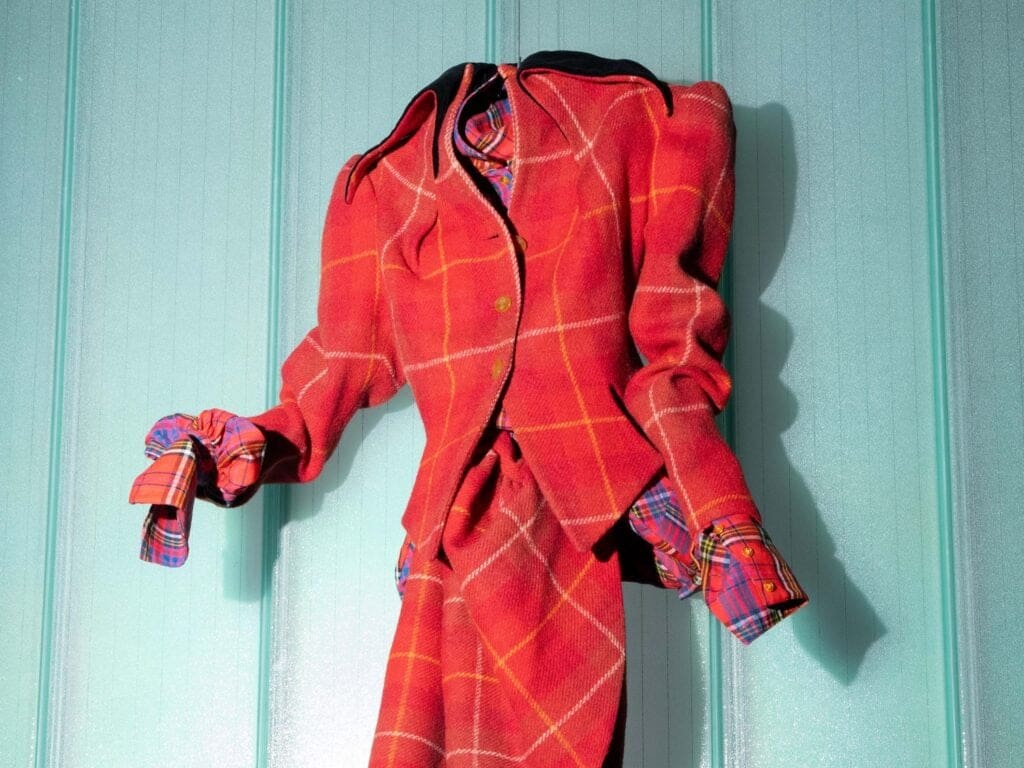
British wool is gaining renewed visibility on international catwalks. Where designers are reinterpreting this traditional natural fibre through a contemporary lens and introducing it to new global audiences.
Once associated primarily with heritage knitwear and rural craft. British wool is now being showcased in directional collections that emphasise innovation, traceability and responsible sourcing. Its presence at major fashion weeks is not only elevating its status within luxury and ready-to-wear markets, but also challenging outdated perceptions about performance, versatility and handle.
As a result, British wool is opening doors to new commercial partnerships, export markets and design-led collaborations worldwide.
Haldi Kranich-Wood, Business Development Manager at British Wool, comments:
“We have spent the past 2-3 years targeting the fashion sector through attending European shows and presenting our new sourcing guides. These sourcing guides show all our partners certified British wool cloth and yarn ranges that are currently available to brands, and it is the first time they have been brought together to be shown as one complete collection, to make it easy to source genuine British wool with traceability back to our farms.
This has allowed us to have conversations with many brands who have never previously considered local wool in their collections. Part of this was the perception that British wool could only be used in carpets and was too coarse for this sector. The sourcing guides have really helped dispel this myth.”
Brands like Marc Jacobs, Viviene Westwood, Zenga and Dior have all shown British wool on the catwalk over recent months which is important as Haldi explains
“This high-end fashion helps shape more mainstream (volume) fashion so it’s important that we are shown in this arena.”
This activity has also seen several new yarn and cloth collections being launched across Europe and brands embracing this in their ranges which is helping grow the overall demand for British wool.
Haldi, concludes:
“It has been amazing to see brands being really engaged with our sourcing guides and asking questions about British wool as a fibre, some for the first time. They are also increasingly asking about farming standards; this activity gives us the ideal platform to communicate and educate about the high standards farmers in the UK work to and explain why some global standards are either not relevant or indeed impractical in the UK.”