Shearing Regional Lead: Experience, Standards and Supporting the Industry
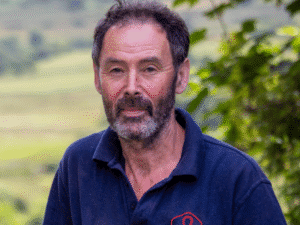
We spoke to one of our Regional Shearing Lead Hywel based in Wales to learn more about his career, his role within British Wool, and his views on the future of the industry.
Can you tell us a little about yourself and your background in the shearing industry?
I started shearing when I was 14 years old. I got two days off school to go on an ATB shearing course, and that’s where it all began. My father bought me a brand-new blue Lister machine back then, and believe it or not, it’s still working today. Since those early days, I’ve spent seasons shearing in New Zealand and travelled all over Wales and England following the work.
How did you become involved with us and what drew you to the role of Regional Shearing Lead?
I got involved with shearing training back in the 1990s. I’d been in the industry for a good while and wanted to pass on what I’d learnt. Seeing new shearers improve and gain confidence is one of the most rewarding parts of the job, so taking on the role of Regional Shearing Lead was a natural step for me.
What does being a Regional Shearing Lead involve, and what areas do you personally focus on?
The job’s all about helping people get the best possible start. I spend my time supporting trainees, making sure they’ve got the right techniques from day one, answering questions, and helping them build confidence. Whether it’s beginners, advanced shearers, show competitors, or wool handlers, it’s about giving people the skills they need to progress.
From your perspective, what sets our shearing courses apart from other training options?
I think getting a good start is one of the most important things in this trade, and that’s exactly what our courses offer. From beginner courses right through to advanced, show shearing, and wool handling, there’s something for everyone. The biggest difference is that the instructors are there with you throughout the course, showing you the right way to do things, helping you out, and answering your questions as you go. You can’t beat learning hands-on.
What do you see as the main challenges currently facing the wool and shearing industry?
Like most farming industries, we’re facing challenges with attracting new people into the trade and making sure they’ve got the right skills. We also need to keep promoting the value of British wool and making sure the next generation sees shearing as a worthwhile career.
In what ways can shearers help to support and strengthen the wool industry?
Good shearers play a big part by looking after the sheep properly, producing a well-shorn fleece, and keeping high standards in the shed. Sharing knowledge with younger shearers and helping bring new people into the industry is just as important if we want to keep the trade strong for years to come.
What do you find most rewarding about working as a shearer?
For me, it’s seeing people develop. Watching someone come onto a course knowing very little, then seeing them leave with confidence and good skills, is hard to beat. That’s what makes the training side of things so worthwhile.
Is there a particular moment or experience from your shearing career that really stands out to you?
There’s been plenty over the years. I’ve met some great people and been lucky enough to travel to places around the world that I’d probably never have seen otherwise. One of the biggest highlights has been being able to shear alongside my son. Those are memories I’ll always treasure.
To sum up shearing in three words.
Hard work. Rewarding. Pride.