With a lifetime rooted in farming and a deep commitment to the wool industry. John Davies brings experience, passion and practical insight to his role as a British Wool board member for the Welsh Southern Region. From running a successful beef and sheep farm in South Wales to championing shearing skills and supporting the next generation of wool producers. His journey reflects the values at the heart of British Wool. In this Q&A, he shares his background, his role on the board, and his perspective on the challenges and opportunities shaping the future of British wool.
Can you tell us about your background in farming and the wool industry?
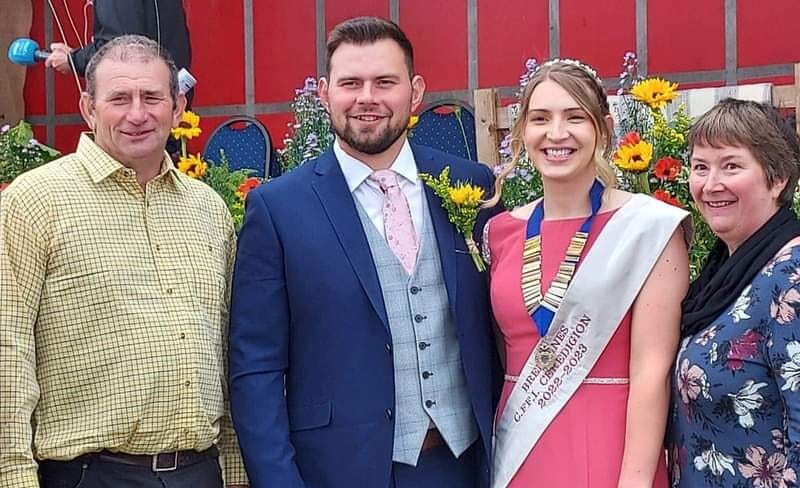
I have been farming my entire life. Currently running a 300-acre beef and sheep farm with my wife and son. We manage 700 ewes and also contract-rear calves. For the past 30 years, I have hosted a British Wool shearing course on my farm each year. l then represented farmers on NFU livestock board, and we were a HCC demonstration farm.
How did you first become involved with British Wool, and what led to you becoming a board member?
I have served as a county representative since 2012 and became a board member in 2019. My passion for shearing. My desire to inspire the next generation of shearers and those working in the wool industry. This drives my continued involvement.
What does your role as board member involve on a day-to-day basis?
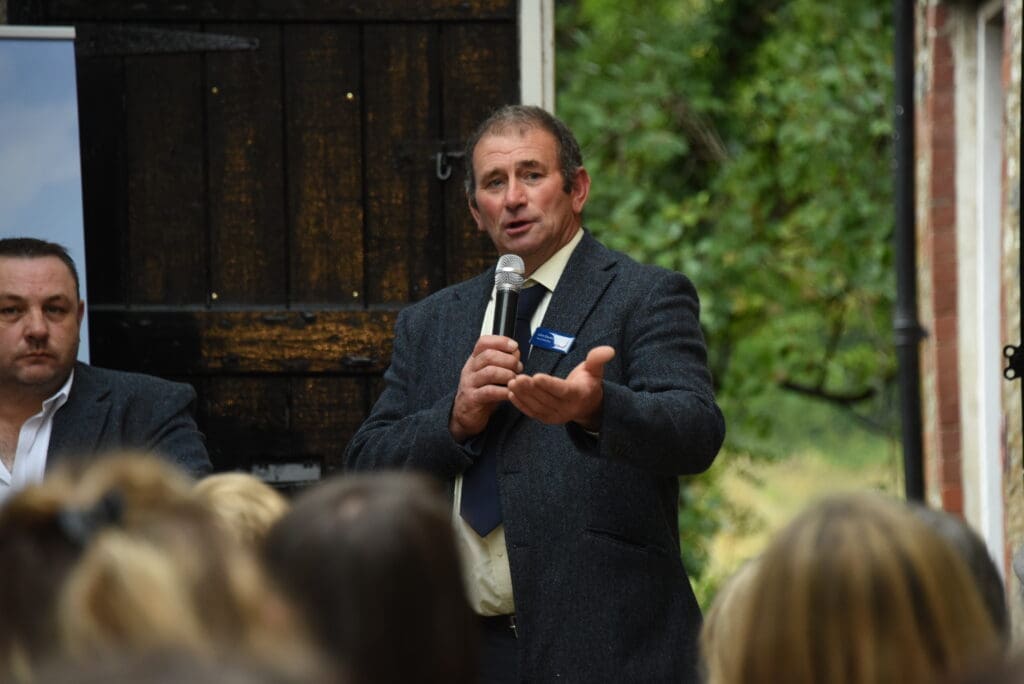
My role as a board member involves acting as a key point of contact for anyone in South Wales. Always being available to discuss matters relating to the wool industry. I regularly attend livestock markets and regional events to represent British Wool. I maintain close communication with our Brecon grading depot to stay updated on developments within the area.
From your perspective, what makes British wool (fibre) special and worth championing?
British wool is special because it comes from a cooperative owned by its members. All of whom are committed to producing wool to an exceptionally high standard. That dedication is reflected in the quality of the fibre and the products we create, making it well worth championing
What do you see as the biggest challenges currently facing our industry?
One of the biggest challenges facing our industry is the decline in sheep numbers. This combined with a lack of opportunities for younger generations to enter the sector. Without clear pathways, it’s becoming harder to attract new talent and ensure the industry’s future sustainability.
Are there particular opportunities you’re excited about for the future of British wool (fibre)?
I’m excited about the growing recognition of wool as a natural, sustainable fibre. More people are becoming aware of the environmental impact of synthetic materials, particularly microplastics. Along with the long-term effects these products can have. This shift in consumer awareness presents a real opportunity for British Wool. To promote its high-quality, eco-friendly products and highlight the benefits of choosing natural fibres over synthetics. I also see potential for expanding wool into new markets. From sustainable fashion to home textiles, as demand for environmentally responsible products continues to grow.
Our depot open days were held last year – why do you feel these events are important for both farmers and the public?
Depot open days are important because they give both farmers and the public the opportunity to connect directly with British Wool. Farmers can see first-hand the journey their wool takes after it leaves the farm. Gaining insight into the grading and processing stages. The public, meanwhile, can learn about the quality and versatility of British wool products. Whilst engaging with our colleagues who showcase the fibre. These events help build understanding and appreciation of the wool industry. Strengthen relationships within the community. Highlighting the value of supporting sustainable, locally produced wool
How can farmers make the most of British Wool’s services and support?
Farmers can make the most of British Wool’s services by actively engaging with the organisation, as it is ultimately their industry. By participating fully—whether that’s using grading services, attending events, or keeping up to date with best practice guidance—they can help improve the quality and consistency of the wool they produce. Supporting British Wool not only helps maintain and grow the market for British fibre but also contributes to increasing the overall value of their own wool. Essentially, the more farmers get involved, the stronger the industry becomes for everyone.
What’s the most rewarding part of being a board member?
The most rewarding part of being a board member is the opportunity to represent fellow wool producers and advocate for their interests. It’s incredibly satisfying to contribute to shaping the future of the industry and helping to build a strong, recognisable brand for British Wool. Being in this role also allows me to engage with a wide range of people—from farmers to industry partners—share knowledge, and play a part in promoting sustainable, high-quality British fibre for generations to come.
Do you have a favourite memory or proudest moment during your time at British Wool?
One of my favourite memories—and proudest moments—has been attending industry events and watching shearers compete. It’s inspiring to see their skill and dedication first-hand. Equally rewarding is the opportunity to speak with our members at these events, hearing their experiences, sharing knowledge, and seeing the enthusiasm and passion people have for British Wool. Moments like these really highlight the strength of our community and remind me why supporting and promoting the industry is so important.
What are your hobbies and interests?
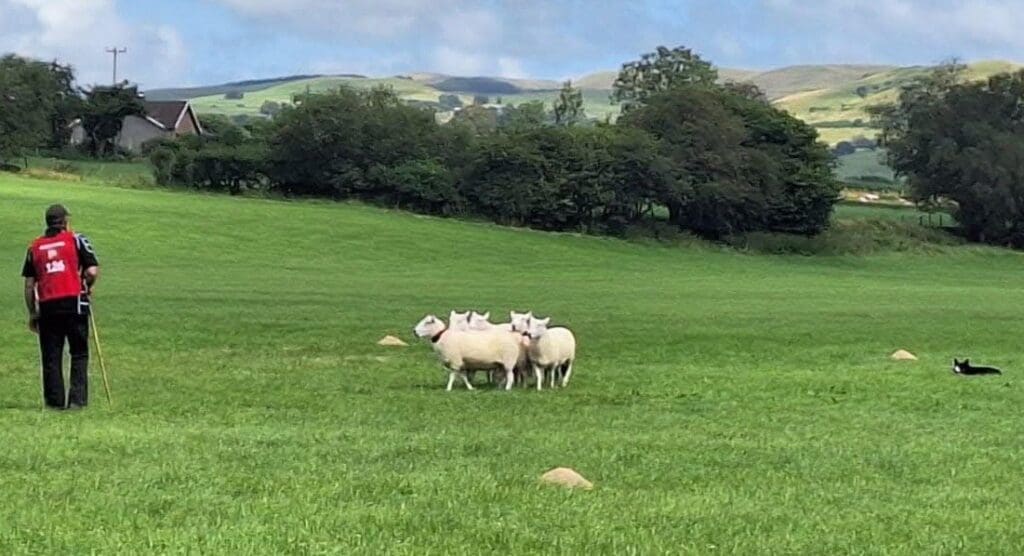
I have a strong interest in sheepdog trialling, enjoying the skill and tradition behind it. I also closely follow Newcastle Emlyn Rugby Club and enjoy keeping up with their matches and supporting the club whenever possible.
In three words, how would you sum up British Wool?
Sustainable, Natural, Fantastic