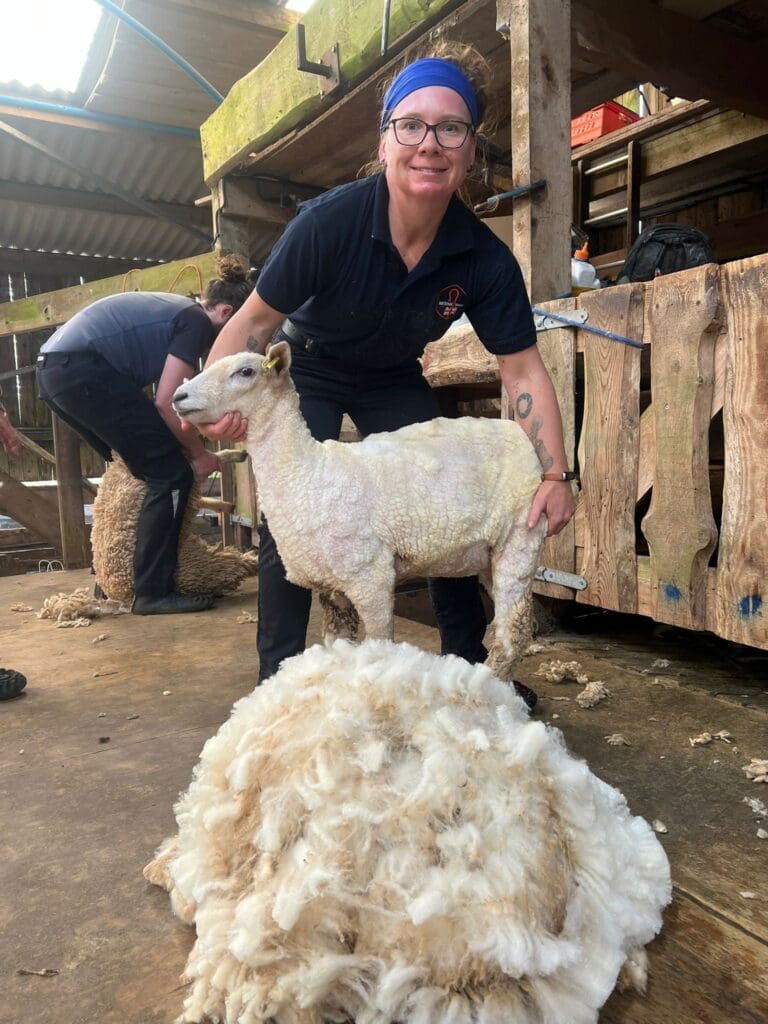
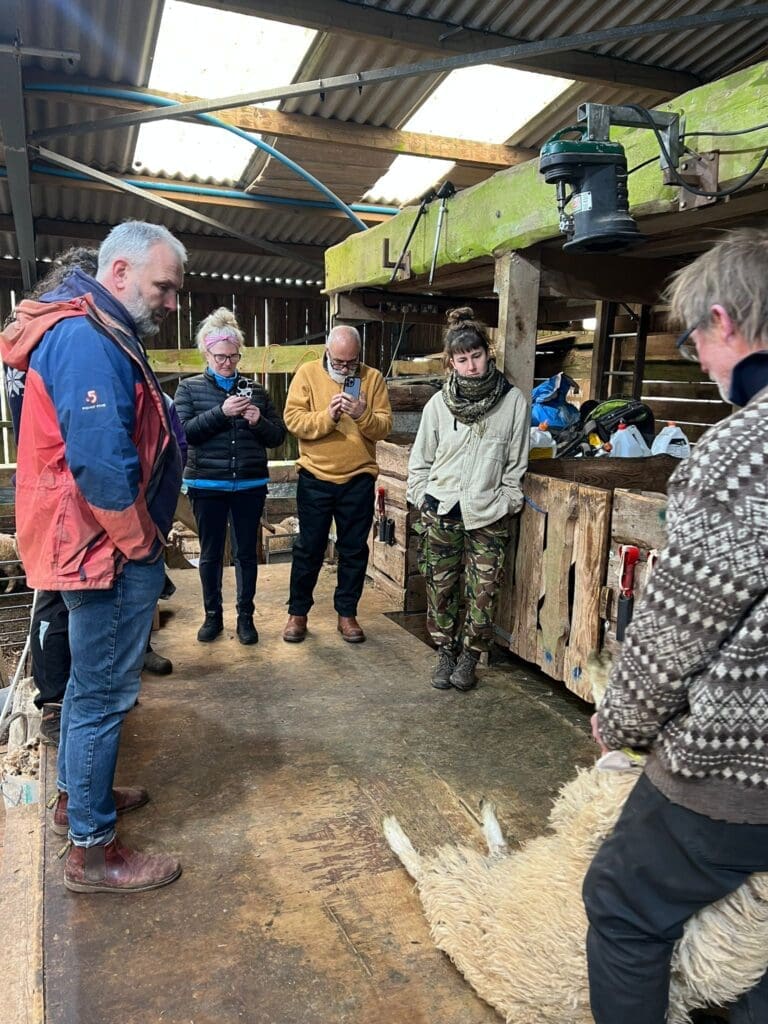
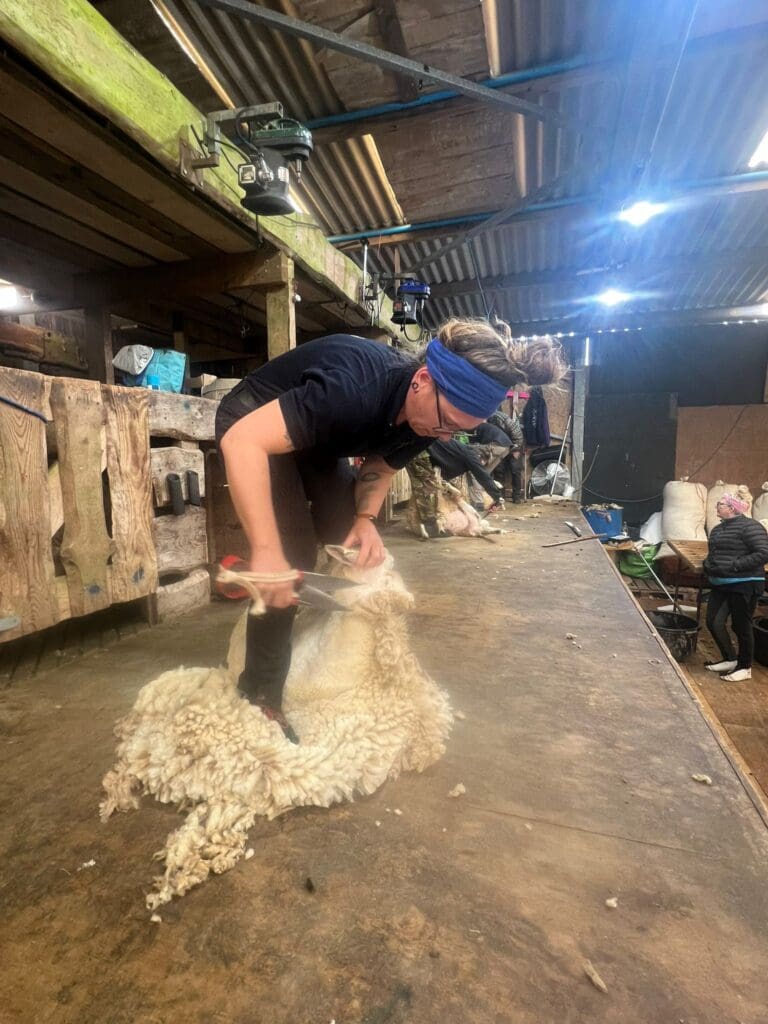
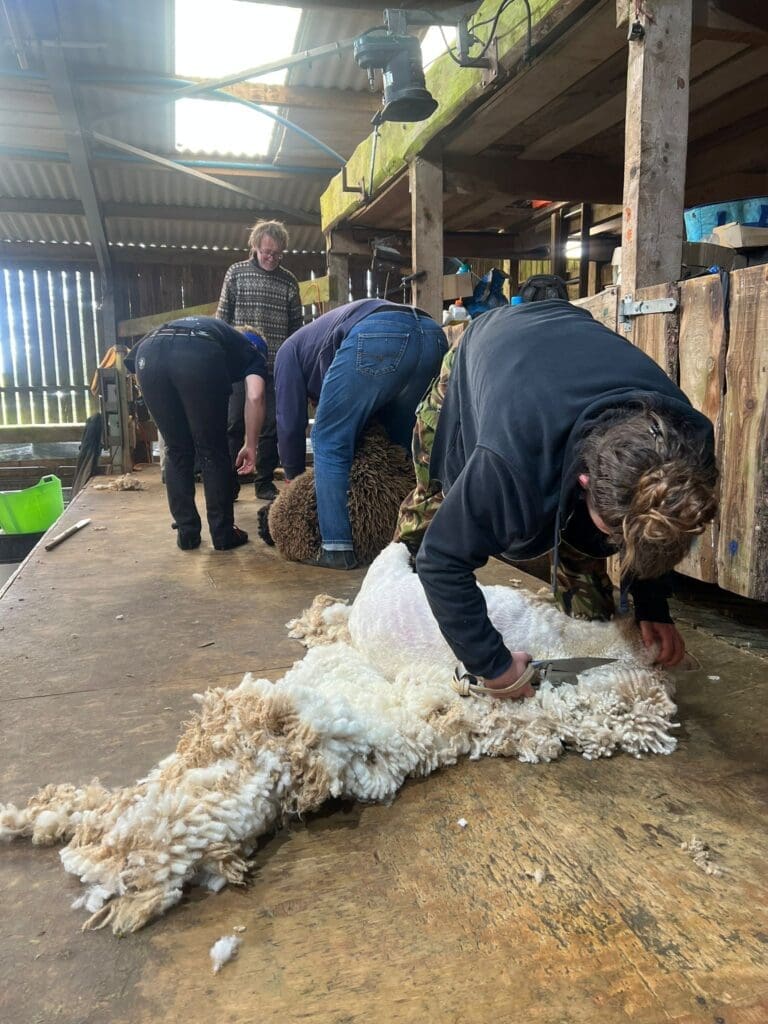
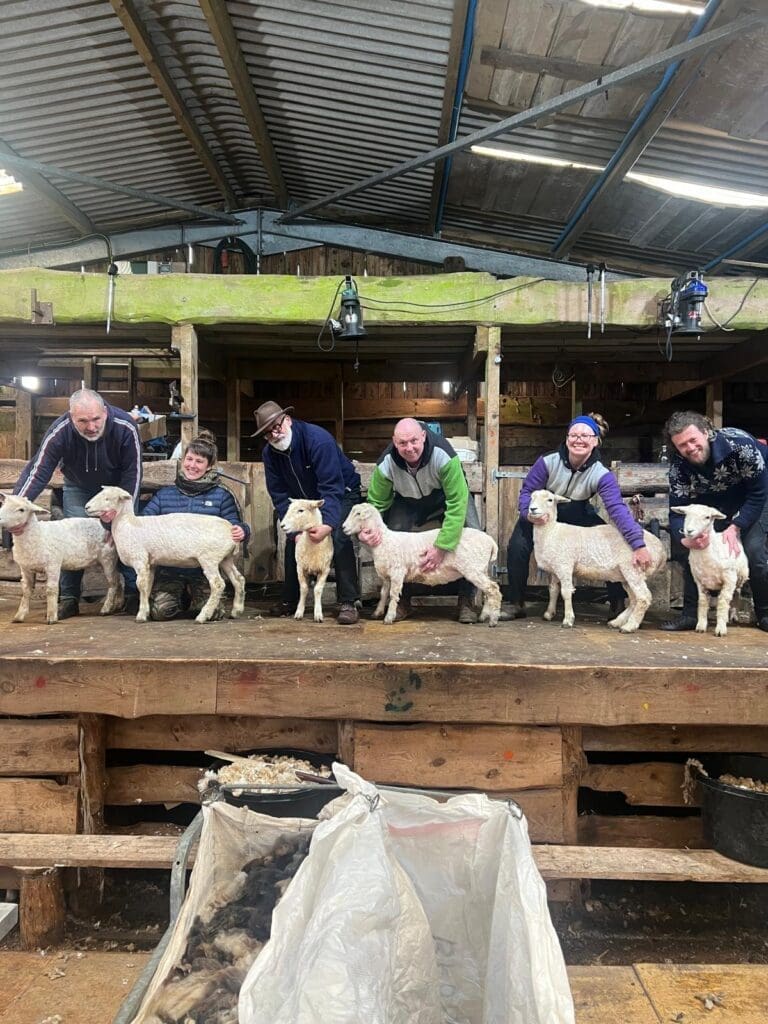
The first blade shearing course of the season kicked off on the 26th and 27th of March at Fernhill Farm, setting the tone for another busy year ahead. With lambing season underway and shearing just around the corner, the timing couldn’t have been better for those looking to build or sharpen their skills.
Experienced instructor Andy Wear led the course, welcoming a mix of learners—some completely new to blade shearing, others returning to refine their technique. As with any good day on the farm, the session began with a proper introduction, helping everyone share their experience levels and learning goals for the two days.
🐑 Learning the Craft, Step by Step
Health and safety came first—no surprises there when you’re working with sharp blades and live animals. From there, Andy guided the group through the fundamentals: sheep handling, shearing technique, and wool care. He emphasised doing the job right—keeping stress low for the sheep and handling wool carefully to preserve its value.
Students also learned the tools of the trade. Andy covered blade preparation, maintenance, and sharpening in simple, practical terms—skills just as important as the shearing itself.
✂️ That First Sheep – A Big Moment
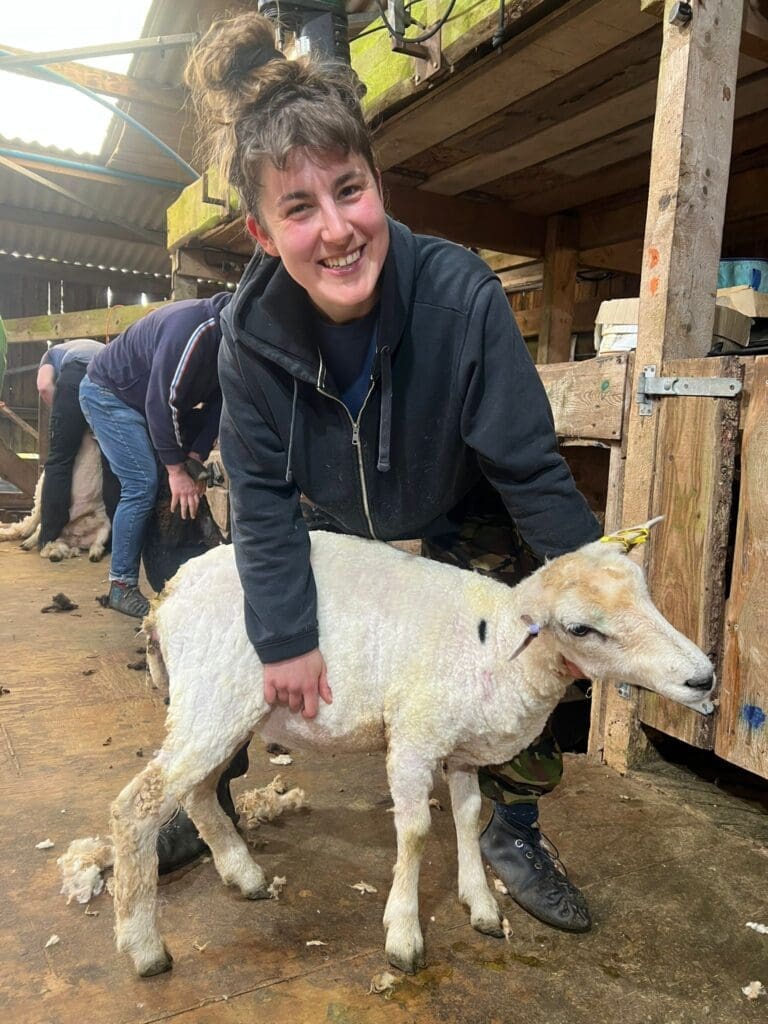
For many, the highlight (and biggest challenge) came when they sheared their first sheep. Organisers selected yearlings to give learners a manageable size and fleece to work with. It’s no small feat—there’s a lot to think about, and it takes both confidence and coordination.
Working in pairs meant learners always had help nearby. Tutors and peers supported each student through the process. That first sheep marks a real milestone, and it earned plenty of well-deserved congratulations.
☕ Time to Take It In
The days included regular pauses—not just for a brew, but to let everything sink in. Blade shearing isn’t something you rush. It takes time to develop a feel for it, and everyone progresses at their own pace.
Some learners managed to shear a single sheep by the end of the day, while others pushed further. Either way, the focus stayed on steady improvement rather than speed. Break-time conversations covered everything from shepherding to wool handling, helping create a relaxed, supportive atmosphere.
🔁 Day Two – Building Confidence
On the second day, participants revisited what they had learned, ironed out issues, and focused on personal goals. Some saw things really click, while others recognised their limits—but everyone left with a sense of achievement.
Blade shearing is a tough skill to master. It demands patience, technique, and physical effort. You hold sharp steel in your hand, work with a live sheep, and make constant decisions as you go.
🌱 A Rewarding Challenge
By the end of the course, every participant had made real progress. Whether they sheared their first sheep or simply deepened their understanding of the craft, everyone moved forward.
Due to strong interest and positive feedback from this first session, organisers have scheduled an additional blade shearing course for 29th and 30th April. Places will likely fill quickly, so anyone keen to take part should book early.
With the season now underway, courses like this play a vital role in keeping traditional skills alive while supporting the next generation of shearers. Judging by the energy at Fernhill Farm, it’s shaping up to be a strong year ahead.

Shearing Regional Lead: Experience, Standards and Supporting the Industry
We spoke to one of our Regional Shearing Leads Andy based in Wiltshire to learn more about his career, his role within British Wool, and his views on the future of the industry.
Can you tell us a little about yourself and your background in the shearing industry?
At 63, I live near Salisbury in Wiltshire and work as an agricultural fencing and livestock contractor. My shearing journey began at just 17, before moving into contract shearing at 21 for a local contractor.
Over time, I took on responsibility for a shearing run of 38,000 sheep, which I successfully managed for 10 years—building extensive hands-on experience and a strong reputation within the industry.
How did you become involved and what drew you to the role of Regional Shearing Lead?
In 2000, I was invited by Alan Derryman to join the British Wool training team, and have now been instructing for 25 years.
When the opportunity arose to become a Regional Shearing Lead, I stepped forward with a clear motivation—to ensure standards remain high. I am passionate about maintaining practical, effective training and continuing to deliver solid instruction to support the future of shearing.
What does the role involve, and what areas do you personally focus on?
As Regional Shearing Lead, I provide ongoing support to instructors across my area, acting as a reliable point of contact whenever guidance or assistance is needed.
I also works closely with the Shearing Co-ordinator, ensuring clear communication and consistency. My focus is on keeping everyone aligned and maintaining the high standards expected across British Wool training.
What makes British Wool training stand out
From your perspective, what sets these shearing courses apart from other training options?
British Wool courses are well-structured and delivered by highly experienced instructors who have spent years working in the industry.
With Highfield accreditation, the qualifications gained are recognised worldwide—giving trainees confidence that their skills and certification are valued wherever they go.
Why is formal shearing training important?
Formal training plays a crucial role in maintaining high standards of shearing and ensuring excellent animal welfare. It helps shearers develop consistency, efficiency, and confidence in their work.
Challenges facing the industry
What are the main challenges currently facing the wool and shearing industry?
One key concern is the potential shortage of overseas shearers, which could put pressure on labour availability during peak season. This makes developing home-grown talent through quality training more important than ever.
There is also a common misconception that wool prices are directly linked to shearing costs. In reality, shearing is a highly skilled profession, and shearers are paid for their expertise, efficiency, and commitment to animal welfare.
How can shearers help strengthen the industry?
Shearers play an essential role by consistently delivering high-quality work and maintaining strong welfare standards. They also help educate farmers on proper wool handling, storage, and care—ensuring fleeces retain their value and achieve the best possible return.
The rewarding side of shearing
What do you find most rewarding about working as a shearer?
For me, it’s about doing a job properly and taking pride in the result—leaving a well-shorn, tidy sheep behind.
I also value the strong sense of community within the shearing world. There’s a spirit of teamwork, shared learning, and mutual support that makes the work truly worthwhile.
Is there a particular moment that stands out?
Serving as Chairman of BISCA was a proud achievement, as was judging at two World Championships—an opportunity to see the very best shearers in the world up close.
If you had to sum up shearing in just three words, what would they be?
Hard, satisfying, rewarding.

Shearing Regional Leads: Supporting the Future of the Industry
The role of Regional Shearing Leads is vital in ensuring high-quality training, strong participation, and continued standards across the shearing industry. We spoke to one of our Regional Leads Lowri in Wales to learn more about her background, her work with British Wool, and her perspective on the industry today.
Can you tell us a little about yourself and your background in the shearing industry?
Based in North Wales, I am married with three children and run a beef and sheep farm. My connection to shearing came through family—marrying into the industry, as my husband is a professional shearer. I also spent three seasons working in New Zealand, gaining valuable experience and insight into large-scale shearing operations.
How did you become involved with British Wool and what drew you to the role of Regional Shearing Lead?
I have worked with British Wool for the past five years, starting by running the collection centre in Ruthin and now operating one from home. With my husband also working as a British Wool shearing instructor, stepping into the role of Regional Shearing Lead felt like a natural progression. My passion for the organisation is clear, with a strong belief that British Wool delivers the highest standard of training in the industry.
What does a Regional Shearing Lead role involve, and what areas do you personally focus on?
The role is centred around organising the logistics of shearing courses across Wales. This includes understanding demand, identifying training needs, and selecting the most suitable instructors. To ensure strong attendance and effective learning outcomes. Delivering high-quality training for the next generation of shearers is a key priority, alongside raising awareness of the important role British Wool plays within the industry.
From your perspective, what sets British Wool shearing courses apart from other training options?
The standout factor is the quality and experience of the instructors. They are highly skilled, knowledgeable, and dedicated to passing on best practice to future generations of shearers.
Why is formal shearing training important for anyone looking to develop their skills in the shearing shed?
Formal training allows shearers to develop and refine their skills while maintaining the highest standards of animal welfare. It also promotes continual improvement, efficiency, and confidence in the shearing shed.
What do you see as the main challenges currently facing the wool and shearing industry?
Like many areas of agriculture, the industry faces challenges in attracting and retaining new entrants. Maintaining high welfare standards and ensuring wool remains a valued and viable product are also key concerns in an evolving agricultural landscape.
In what ways can shearers help to support and strengthen the wool industry?
Shearers play a vital role by producing well-shorn, high-quality fleeces and maintaining excellent animal welfare standards. Engaging with training and industry initiatives is also essential in helping to raise standards across the sector.
If you had to sum up shearing in just three words, what would they be?
Addictive, rewarding, challenging — with a smile, “observations as a wife!”
The eyes of the global shearing community turned to Masterton in early March, as 27 international teams gathered for the 20th staging of the prestigious World Shearing Championships 2026. The event ran alongside the 63rd annual Golden Shears, one of the sport’s most iconic fixtures.
Steeped in history, the first World Championships were held in England in 1977. Over the past 49 years, the event has travelled the globe, with host nations including New Zealand, Wales, Australia, Republic of Ireland, South Africa, Scotland, Norway, and France.
This year’s championships featured around 150 competitors across machine shearing, blade shearing, and woolhandling disciplines, with both individual and team titles up for grabs. The standard was exceptionally high across all categories.
Strong UK Representation
The UK was strongly represented, with teams from all four nations – England, Scotland, Wales, and Northern Ireland – competing at the highest level. Among them were reigning world champions Gwion Evans (machine shearing) and Rosie Keenan (woolhandling). England’s blade shearing team featured father-and-son duo George Mudge and Andrew Mudge, while Northern Ireland’s woolhandling effort included sisters Ellen Murphy and Rachel Murphy.
UK Finalists
As the championship reached its climax and finals day, several UK based competitors made the finals. This included:
Machine Shearing:
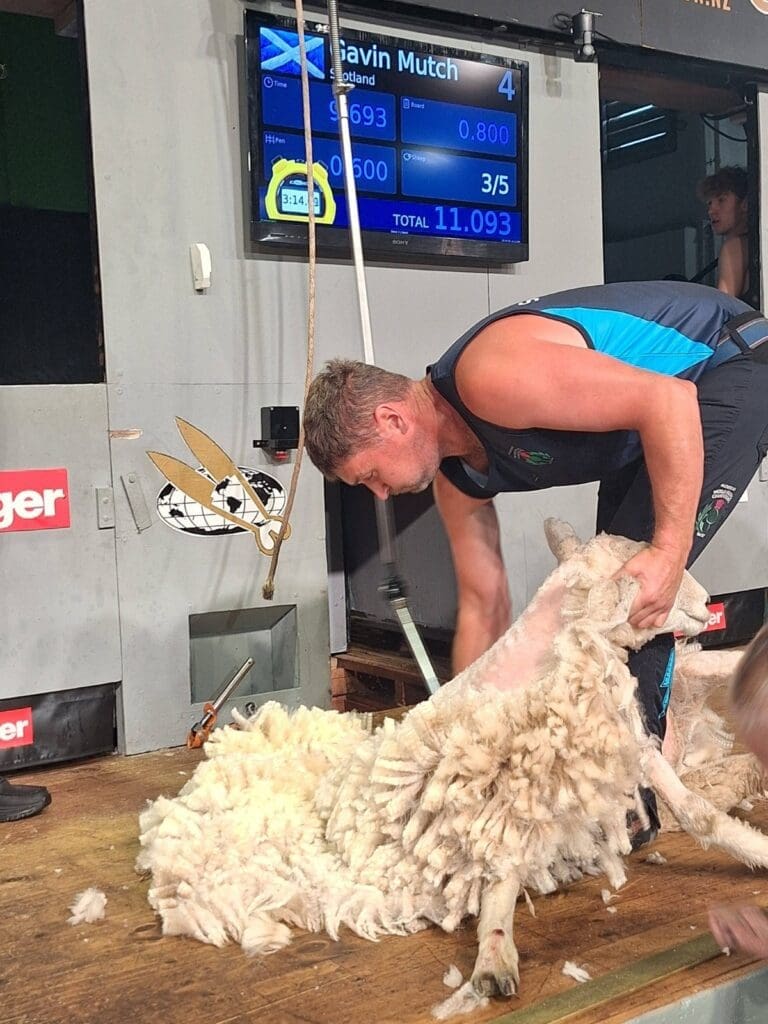
- Gavin Mutch – Scotland
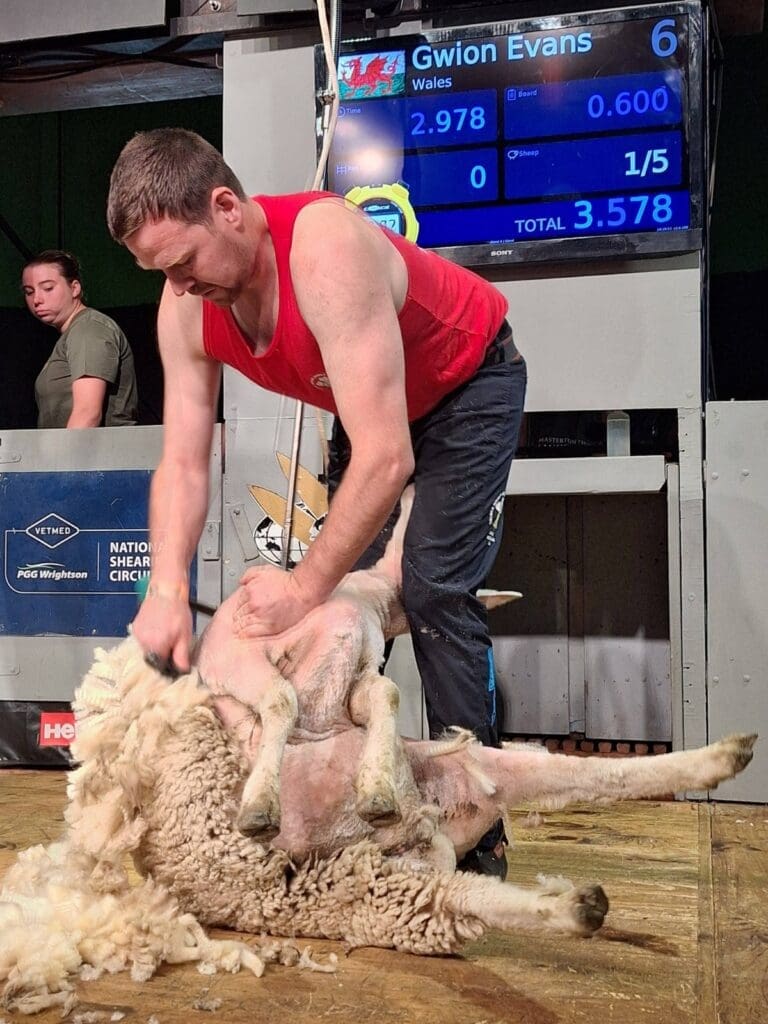
- Gwion Evans – Wales
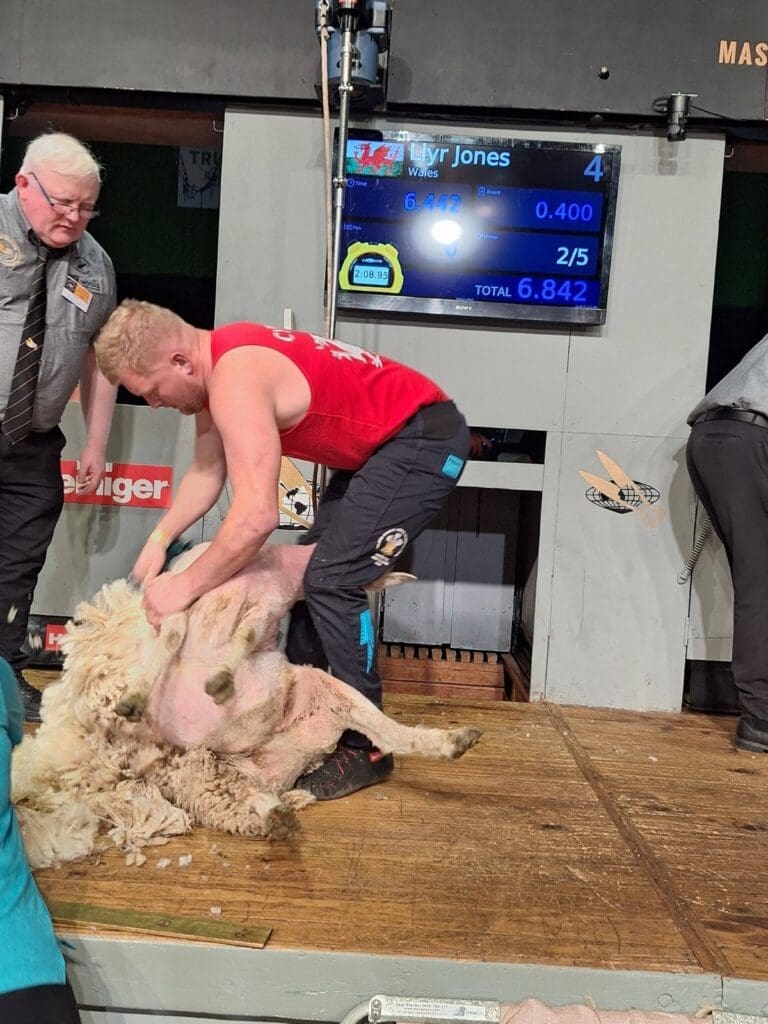
- Llyr Jones – Wales
Blade Shearing:
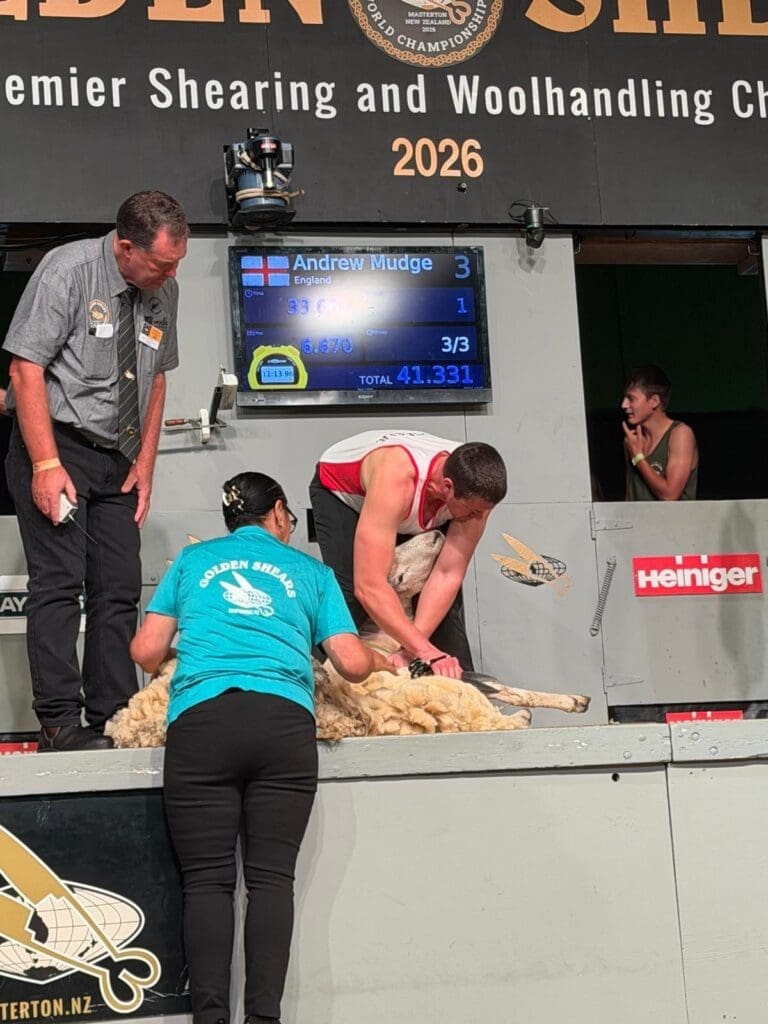
- Andrew Mudge – England
Woolhandling:
- Rosie Keenan – Scotland
New Zealand Dominates
After three days of intense competition, it was host nation New Zealand that dominated proceedings. They secured five titles, including all three team events—machine shearing, blade shearing, and woolhandling. Individually, Joel Henare claimed the woolhandling title, while Rowland Smith took top honours in machine shearing. The final title, individual blade shearing, went to Bonile Rabela of South Africa.
Team Results
The UK based teams all performed strongly in the teams’ championships with very respectable placings of:
Machine Shearing Team:
- 2nd – England
- 3rd – Scotland
- 4th – Wales
- Northern Ireland achieving 6th in the Teams B Final
Blade Shearing Team:
- 4th – England
- 5th – Wales
Woolhandling Team:
- 6th – England
Reaction
Gareth Jones, Head of Member Engagement said:
“Huge congratulations to all teams at the World Shearing and Wool handling Championships – there was real skill, commitment and spirit demonstrating the high standards we have here in the UK. All competitors can be very proud of their achievements in representing their country on the global stage.”
Looking Ahead
Looking ahead, the next World Championships are set to take place in Australia in 2029, with early indications suggesting a slot in the first week of November.
Strong Market Performance Continues
The strong demand for British wool in the second half of 2025 has continued into 2026. We have seen further improvement and clearances have been high. This will be welcome news to all our members. With the improved prices set to support improved member returns this year.
Since September, values have risen by by 40%. Average auction prices are now at the highest level since 2015.
Andrew Hogley, CEO, said: “Global demand for crossbred wool is now back in balance with supply. Our colleagues in New Zealand cleared their excess wool supplies from the covid pandemic just over a year ago. This has now fed through to better prices in both the UK and New Zealand wool auctions. Global wool markets are now trading at the highest levels for many years and in real terms prices are back at pre-pandemic levels.”
Season to Date Prices and Outlook for 2026
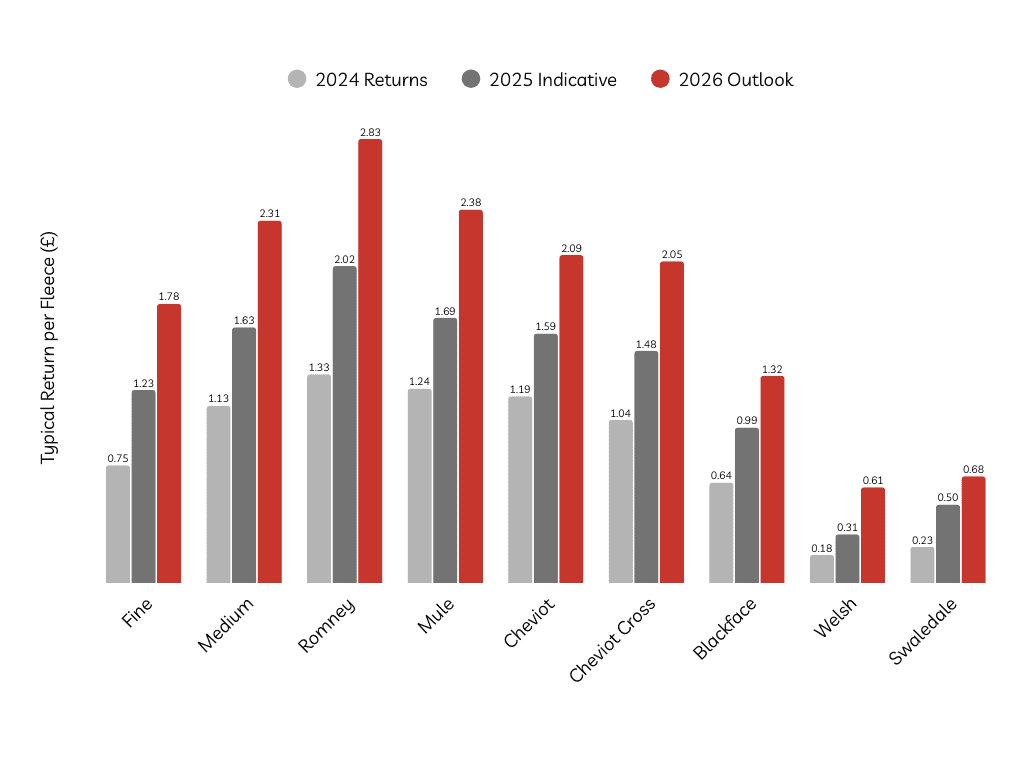
Season-to-date our average selling prices (illustrated in Red on the chart below) are up for all core types, generally by around 15p to 20p per kg. This equates to around 40p more to members for every fleece. Latest prices are even higher (illustrated in Green on the chart below). If these prices are maintained over the last few sales of the season, average prices will continue to rise.
The higher current prices also provide a positive outlook for our members as we head into the 2026 season. Latest prices are as much as 40p to 50p per kilo higher than in the 2024 season. Which would see member returns next year increase by around £1 per fleece.
Supporting Members and Driving Demand
Andrew continued: “Our work to build brand awareness on behalf of our members is also supporting the market for British wool. Consumer research shows that our brand awareness is improving. We now have over 170 brands on our licensee scheme and specifying British wool in their products. Sales of traceable wool at a premium to the commodity market have also seen good growth over the last twelve months.
“With the market showing clear signs of improvement and higher returns this year, I encourage all members to deliver their wool. Handling more wool improves our efficiency, and allows us to invest more in driving demand from manufacturers and consumers to support member returns.”
We want to inform you as part of a joint initiative between British Wool, the National Association of Agricultural Contractors (NAAC), the National Farmers’ Union (NFU) and the National Sheep Association (NSA). To raise concerns regarding the availability of shearers for the 2026 shearing season.
Last week, the Home Office confirmed its decision not to allow a concession for overseas shearers to enter the UK, without work visas this year. This decision risks placing additional pressure on an already stretched shearing workforce. Which could have far-reaching consequences for animal welfare, farm businesses, and the wider sheep sector. British Wool is therefore asking for your support. We strongly encourage all involved in UK sheep farming. To write to their local MP. To highlight the importance of overseas shearers to the UK sheep industry and to urge the government to reconsider its position.
We have trained more than 4000 people on its shearing courses over the past five years. We will continue to invest in training and skills development. Our courses for the 2026 season have recently been announced. With almost 1000 places available, but the reality is that overseas shearers remain an essential part of the UK shearing workforce. Their contribution supports timely shearing, safeguards animal welfare, and strengthens the sharing of skills and best practices across borders.
Your voice matters. MPs need to hear directly from those affected on the ground. A short letter or email to your MP explaining how this decision impacts your business, the industry and the welfare of your sheep can make a real difference. A suggested letter template here.
letter to MP from contractors farmers Final
Overseas Shearers_Welsh Letter
British Wool, alongside NAAC, NFU and NSA, will continue to engage with government and industry partners on this critical issue.
Meet your World Championship teams
The Golden Shears 2026 World Shearing and Wool Championships’ will take place in New Zealand from 4–7 March. We are proud to sponsor the teams travelling from England, Scotland and Wales. Find out more about each of the teams.
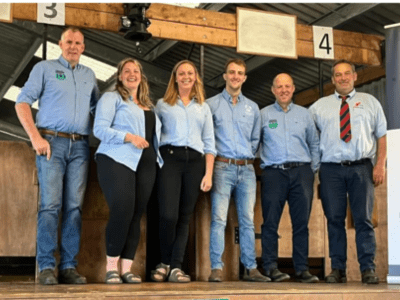
Scotland Team
Team Manager
Will Dickson
From Duns in the Scottish Borders, has been involved in shearing for around 35 years. Working mostly in Scotland, Norway, and New Zealand. He is now stepping back from full-time shearing to focus on running his beef and sheep farm alongside shearing contracting work. As a shearing instructor for British Wool and a judge for the British Isles Shearing Competitions Association (BISCA). Will feels it is a real honour to manage such a talented group of competitors and wishes them every success. He is especially looking forward to seeing the very best shearers from around the world come together under one roof and battle it out to be crowned world champions.
Shearers
William Craig
57, from Broughton, just outside Biggar, has been a shepherd and farm manager all his life. Representing Scotland at the World Championships in 2012, 2019, and 2023. He achieved a 6th-place finish on each occasion, with 2026 set to be his fourth appearance. Sharing the experience this time with his son Murray. Who is his blade team-mate, makes it even more special. Excitement builds at the thought of spending time with team-mates, catching up with old friends, meeting new faces, and shearing alongside some of the best blade shearers in the world. Wearing the Scotland vest again is a huge source of pride.
Murray Craig
26, also from Broughton, has gained most of his experience on the machine circuit. Notable results include winning the National Young Farmers Championship. 1st in the Juniors at the Black Isle Show, and 1st in the Intermediates at Lesmahagow. He has also competed in a Scotland vs. Ireland test match. Representing Scotland in blades against the best in the world is a real honour, and experiencing his first Golden Shears and World Championships as part of such a strong team is extremely exciting.
Hamish Mitchell
55, from Central Scotland, shorn his first sheep nearly 40 years ago and has spent around 30 years as a professional shearer. For the past six years, he has focused on shepherding and livestock management at Letham Farm in Glenfarg, alongside running his own farm. His competition successes include multiple wins at the Scottish National Championships and participation in over 100 open competitions worldwide. This year brings the honour of representing Scotland at his 10th World Championships. He has also taught shearing courses for many years and served as an ambassador for Heiniger and British Wool, with one of his most memorable moments being part of the 2014 World Championships team event victory in Ireland alongside Gavin Mutch.
Gavin Mutch
46, born in Scotland and now based in New Zealand, has over 25 years’ experience as a professional shearer. He has competed and won in 13 different countries. Major achievements include the Individual World Shearing Championship in 2012 and World Teams Championship victories in 2014 and 2019, as well as the Golden Shears in 2015. He will represent Scotland at the World Championships for the eighth time this year. One of his most memorable moments occurred in Masterton when former World Champion Tom Wilson led the arena in singing Flower of Scotland after the individual title was secured.
Woolhandlers
Rosie Keenan
32, from the North of Scotland, balances farming, raising a family, and serving as a board member for British Wool. She is the current World Champion woolhandler after winning in Scotland in 2023. Previous highlights include 2nd at the World Championships in France in 2019, 3rd in the teams in Edinburgh in 2023, and 2nd in the teams in France in 2019, alongside numerous Open wins across the UK and Europe. Representing Scotland again is a great source of pride and offers the chance to welcome new team members. Rosie is excited about taking her family to New Zealand, reconnecting with friends and relatives, and seeing familiar faces after six years away from competing there.
Katie O’Sullivan
From Crieff in Perthshire, Scotland, shears for around seven months of the year, gaining experience in Norway, New Zealand, Ireland, and Scotland, while running a flock of Cheviot ewes. Her best woolhandling results came in the 2025 season, including wins at Shearfest, the Royal Welsh, Corwen, and the Scottish Circuit—all in one year, marking a major achievement. Representing Scotland at the World Championships for the first time is a real honour, and she is eagerly anticipating catching up with competitors old and new from around the world.
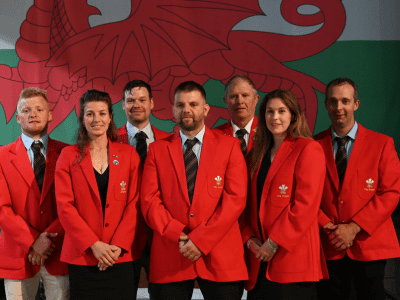
Wales Team
Team Manager
Rhys Jones, Corwen, Denbighshire
Rhys is a farmer and retired shearer and has been involved in the shearing industry for many years. He is a British Record holder and had numerous successes during his shearing career. Rhys is also a BISCA Judge.
Machine Shearers
Gwion Lloyd Evans, Bylchau, Denbighshire
Gwion is the reigning World Champion and will be defending his title at the 2026 World Championships. This is the third time Gwion has represented Wales at the World Championships. Also part of team which won the World Machine Shearing Team title at the 2023 World Championships.
Llyr Jones, Llanrwst, Conwy
Llyr won the 2025 Champion Shearer of Wales competition for the first time, earning himself a place in the Welsh World Team. Shorn for several seasons over in New Zealand so he has plenty of experience with their sheep. This will be his first World Championships.
Blade Shearers
Elfed Jackson, Bethesda, Gwynedd
Elfed’s 12th World Championships representing Wales, and he has competed in several World Finals. Winning many competitions over the years during his shearing career.
Rhydian Evans, Talybont, Aberystwyth
Rhydian won the 2025 Champion Blade Shearer of Wales competition for the first time, earning his place in the Welsh World team. This will be his first World Championships.
Woolhandlers
Sarah Rees, Brecon, Powys
This will be Sarah’s second World Championships, and she was part of the team which won the World Woolhandling Team title at the 2023 World Championships in Scotland.
Jessica Morgan, Llandeilo, Carmarthenshire
Jessica won the Welsh Open Woolhandling Circuit to secure her place in the Welsh team to compete at the World Championships for the first time. Jessica has been competing for over 20 years, winning many competitions.
Wording and images courtesy of RWAS

England Team
Team Manager
Gavin Stevens
Gavin Stevens has previously been involved in two World Championships, including judging at the Royal Highland Show World Shearing and Wool Handling Championships in 2023. With extensive experience in the sport, he is excited to support a promising England team and looks forward to the challenges ahead. One of the highlights of his career was judging wool handling at the 2023 World Championships in Scotland, a role he considers a proud moment. His advice to young and aspiring shearers and wool handlers is to never give up, take part in courses and shows whenever possible, always watch and listen, and be prepared to dig deep when it matters most.
Machine Shearers
Matt Smith
Matt Smith represents England at the World Championships for the second time. Having previously competed on the world stage, he is driven by the goal of another shot at the title, supported by his family and surrounded by the global shearing community he values highly. Career highlights include bringing world shearing records to the Northern Hemisphere, notably breaking the nine-hour record in 2016. His advice to aspiring shearers is simple: work hard, learn from the best, maintain high standards everywhere you work, and success will follow.
Nick Greaves
Nick Greaves will make his World Championships debut, fulfilling a long-standing goal in his shearing career. Competing in New Zealand makes the occasion even more special. He looks forward to representing England in the white singlet alongside the world’s best, giving everything he has. His standout achievement came at the Bath & West Show, where he won the Open, the English National, and the Six Nations team titles—a remarkable treble. He encourages young shearers to surround themselves with the right people, share knowledge, look after their body, and remember that consistency beats talent every time.
Blade Shearers
Andrew Mudge
Andrew Mudge will attend his sixth World Championships, having made his debut in Norway in 2008. Each event brings a unique atmosphere, blending new faces with long-standing friendships. He is proud to represent England alongside his teammates once again. Career highlights include competing at the same Worlds as his wife and father, reaching his first individual world final, and winning the Six Nations four times with his dad. The proudest achievement came in 2023, finishing third at the World Championships in Scotland. Andrew encourages young shearers to work hard, enjoy the journey, and learn from everyone they meet.
Woolhandlers
Jess Parkhouse
Jess Parkhouse, 20, will make her World Championships debut in New Zealand during her third season working there. Supported in person by her brother and cheered on by family from home, the occasion is extra special. Her fondest wool handling memory is winning the Intermediate title at the Royal Welsh Show, an unexpected victory shared with friends and family. She encourages anyone interested in wool handling to embrace the opportunities to travel, take part, and connect with the supportive shearing community worldwide.
Hilary Bond Harding
Hilary Bond Harding will attend her tenth World Championships, a remarkable achievement that reflects her experience and dedication. She enjoys adapting to different wool presentation processes compared to those used in the UK. Over her career, Hilary has accumulated numerous achievements, including winning the World Championships in 2014, multiple Six Nations team titles, and involvement in world record performances. She continues to inspire within the sport, advising aspiring wool handlers to dream big, work hard, and enjoy the journey every step of the way.
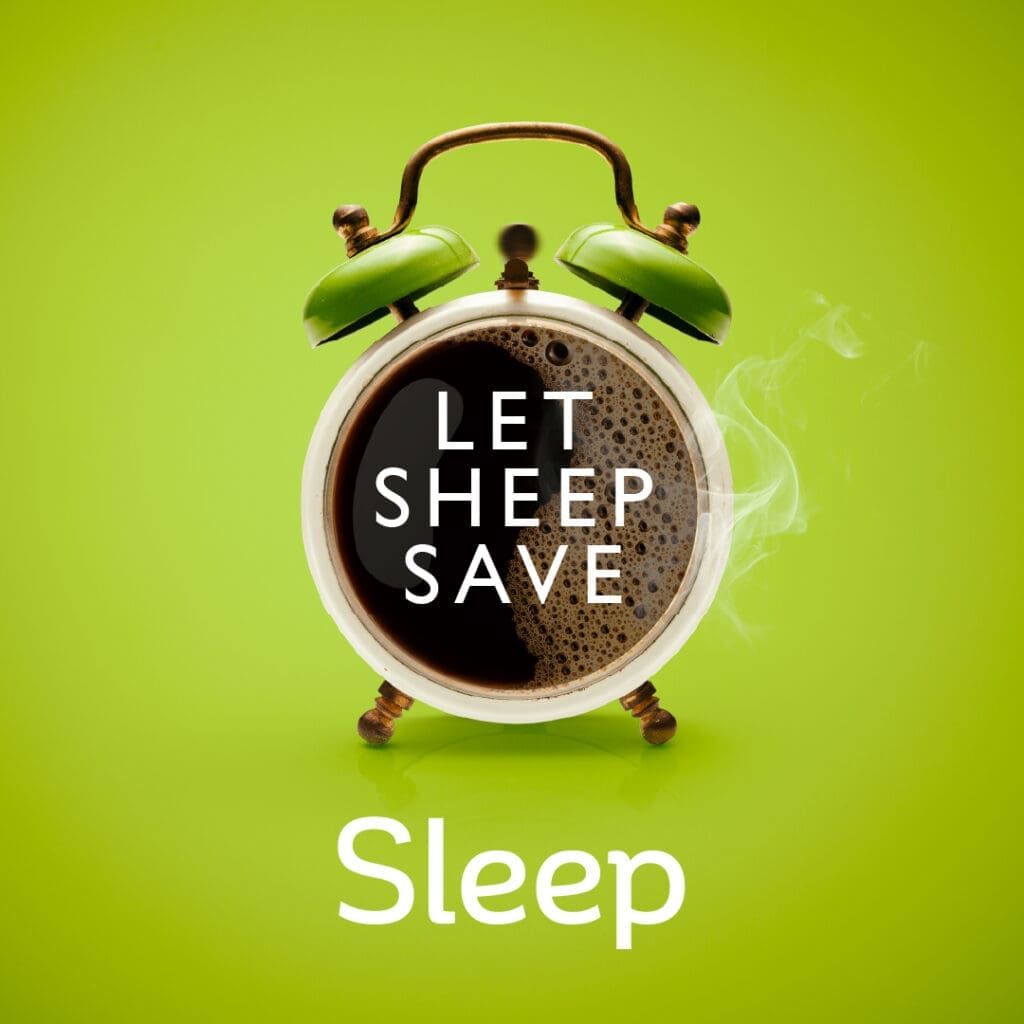
We have recently published new independent research into the performance of wool and sleep. This was carried out by Bangor University and funded by the Welsh Government.
The study compared wool duvets with synthetic and feather-and-down alternatives under controlled conditions designed to reflect a full night’s sleep. The results showed that wool performed significantly better. Maintaining a more stable sleeping temperature and moving moisture away from the body much more effectively, particularly as temperatures increased. Both of these factors are key to helping the body regulate its temperature overnight.
These findings are particularly relevant, with almost one in five UK adults saying they wake every night because they feel too hot or too cold. While 79% report experiencing this at least once a week.
Commenting on the research, Graham Clark, Director of Marketing, said:
“For many people, the benefits of sleeping under wool are already well understood — it’s a natural fibre that works with the body rather than against it. What this research provides is robust, independent evidence to support what we have known for some time. Despite its proven performance, wool still accounts for a relatively small share of the bedding market. By clearly communicating these benefits to consumers, there is a real opportunity to grow demand for wool products, strengthen the market and deliver better long-term returns for our members.”
The research forms part of a wider consumer-focused campaign highlighting the benefits of wool for sleep and has been shared with both UK and international partners.
We’re pleased to announce our full programme of shearing and wool handling courses for 2026, which will go live on 9 February. Between April and August, more than 100 courses will run across the UK. These courses cover machine shearing, blade shearing, and wool handling, with training available for all levels of experience. Whether you are just starting out or looking to refine your skills, our courses help you progress with confidence in a supportive, hands-on learning environment.
Training Built for Real Life in the Shed
Our courses build strong shearing technique from the outset. From day one, training focuses on working safely and efficiently in real shed conditions. Specifically, it covers:
-
Health and safety in the shearing shed
-
Setting up the shearing environment
-
Equipment selection and maintenance
-
Shearing technique and wool care
As a result, participants gain practical, real-world knowledge that translates directly into everyday work. The training structure supports a wide range of goals – from improving your own flock shearing, to building a career in the industry, or progressing to high-level and international competition standards. Each course is delivered by experienced instructors, who bring extensive industry knowledge and hands-on expertise, ensuring learners develop good habits from the very beginning.
Course Levels & Accreditation
We offer training for everyone, from complete beginners through to advanced shearers:
-
Blue Seal training for beginners
-
Gold Seal progression for advanced shearers
-
Machine shearing and wool handling courses for all trainee levels
All courses carry international recognition and help participants achieve accredited skills that are respected across the industry. Whether your goal is to improve farm performance, gain confidence handling equipment, or work towards competitive shearing standards, there is a course tailored to your needs.
Subsidised Training for Young Farmers
In addition, we’re proud to partner with the National Federation of Young Farmers’ Clubs (NFYFC), CFfI Cymru/Wales YFC, Scottish Association of Young Farmers’ Clubs (SAYFC), and the Young Farmers’ Club of Ulster (YFCU) to provide subsidised training for Young Farmers Club members. Now in its eighth year, this collaboration offers 50% off shearing and wool handling courses for affiliated YFC members.
Discounted course rates for YFC members (valid 2 February–30 April 2026):
-
Shearing course: £115 + VAT
-
Wool handling course: £42 + VAT
Meanwhile, non-members can still book at £230 + VAT, offering excellent value for small-group tuition and expert instruction.
How to Register
To register your interest, complete the online form on our website – click here
Secure your place today and take the next step in your shearing journey.
We are once again partnering with the National Federation of Young Farmers’ Clubs (NFYFC), CFfl Cymru/Wales YFC, Scottish Association of Young Farmers Club (SAYFC) and Young Farmers’ Club of Ulster (YFCU). Providing subsidised shearing and wool handling training for Young Farmers Club (YFC) members across the UK.
Now in its eighth consecutive year. This collaboration continues to support young farmers by offering a 50% discount on our shearing and wool handling courses for affiliated YFC members. The discount applies to machine shearing, blade shearing, and wool handling courses. Making this training accessible at every stage of a young farmer’s shearing journey.
What the Training Includes
Our two-day shearing courses and one-day wool handling courses run nationwide and focus on the core principles of effective and efficient shearing. Attendees receive hands-on training designed to improve technique. While emphasising animal welfare, correct use of shearing equipment, and maintaining safety in the shearing shed. With small-group instruction and expert guidance, participants can develop confidence and skill in a supportive learning environment.
Who Can Apply
This discounted training is open to absolute beginners, as well as intermediate and advanced shearers. We encourage Young Farmers to continue developing their skills through further training opportunities and progression routes. Whether they are preparing to shear their own flock, pursue a career in shearing, or compete at higher levels.
How to Access the Discount
YFC members can access the exclusive discounted rate by registering between 2 February and 30 April 2026:
Shearing course: £115 + VAT
Wool handling course: £42 + VAT
Non-members can still attend at the standard price of £230 + VAT, which remains excellent value for high-quality, small-group tuition delivered by experienced instructors.
To register your interest, please contact your local YFC group. Full course details and booking information will be published on our website on 2 February.